9 Unforgettable Things to Do on the Snake River
The Snake River is the kind of river that refuses to be defined by just one adventure.
Stretching more than 1,000 miles through Wyoming, Idaho, Oregon, and Washington, it winds through mountain valleys, dramatic canyons, high desert, fertile plains, and some of the most beautiful wilderness in the American West.
And there’s a lot more to do here than simply admire the view.
You can charge through whitewater in Hells Canyon, cast a fly for trout beneath the Tetons, paddle through peaceful mountain scenery, stand beside a thundering waterfall, watch eagles soar above the canyon, or explore the history and culture of the people who have called this region home for generations.
Whether you’re planning an action-packed river trip or a slower getaway built around scenery and exploration, here are nine unforgettable things to do on the Snake River.
And yes—rafting through Hells Canyon takes the top spot.
1. Whitewater Rafting Through Hells Canyon
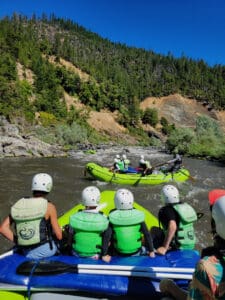
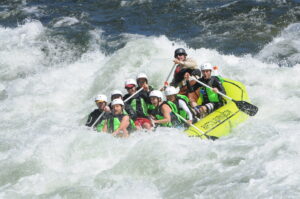
If you’re going to do one big adventure on the Snake River, make it whitewater rafting through Hells Canyon.
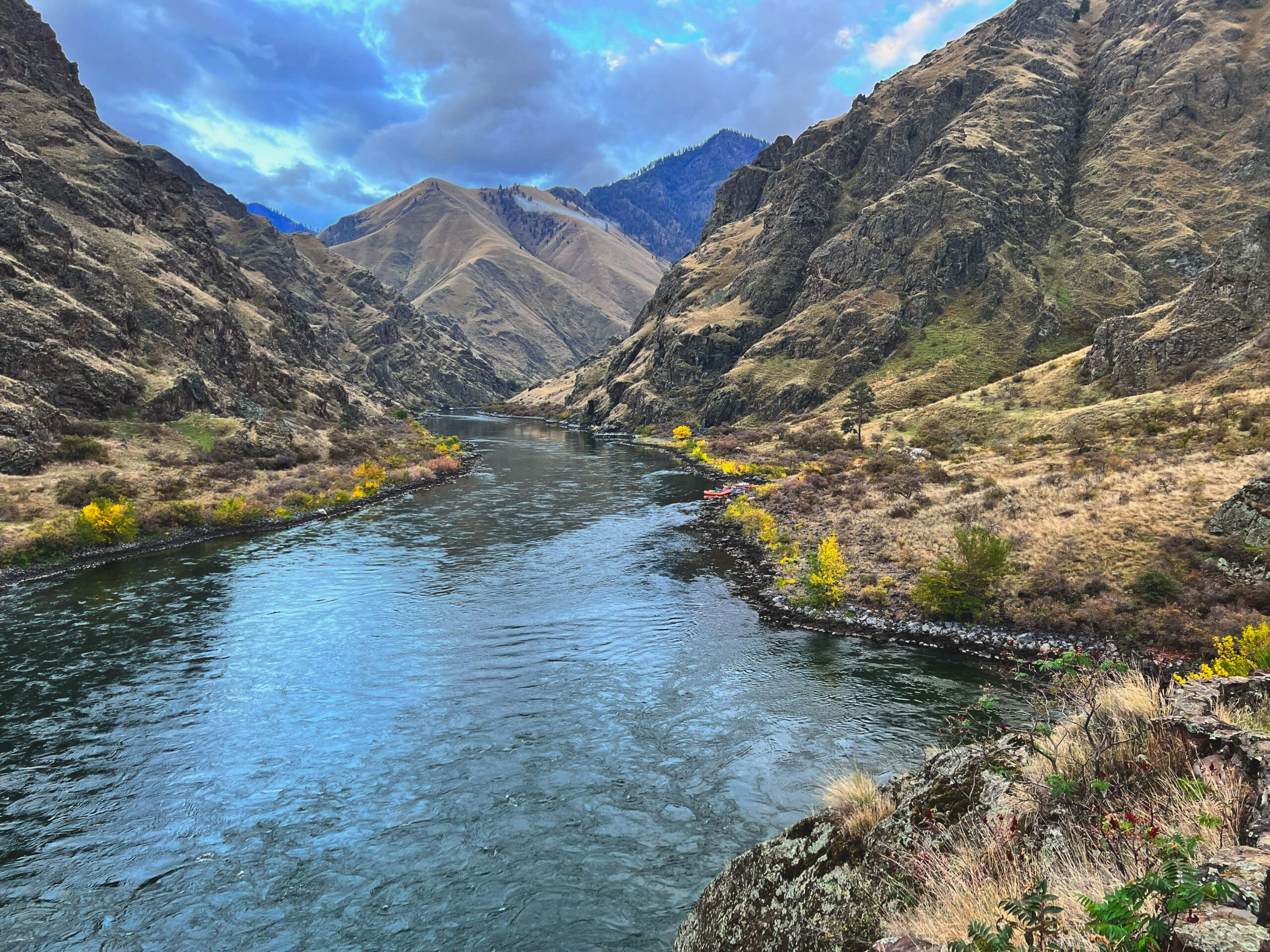
Hells Canyon is North America’s deepest river gorge, plunging nearly 8,000 feet from the surrounding peaks to the Snake River below. From the water, the scale is even more impressive. Towering canyon walls rise around you while the river alternates between exciting rapids and calm stretches where you can sit back and take it all in.
Imagine launching your raft in the morning as the first light hits the canyon walls. A few miles later, you’re bouncing through Class III rapids. Then the river settles down, giving you time to spot wildlife, photograph the cliffs, or simply enjoy being somewhere far from the noise of everyday life.
Make It a Multi-Day Adventure
For an even deeper experience, sign up for a multi-day expedition. Trips typically range from three to six days, with nights spent camping along the river.
After a full day on the water, there’s something pretty special about pulling onto a remote river beach, eating dinner around a campfire, and watching the canyon disappear into the night.
Along the way, guides can also introduce you to the area’s history, including ancient petroglyphs and historic homesteads.
Who Will Love It?
Hells Canyon rafting is a great fit for:
- Adventure seekers looking for exciting whitewater
- Outdoor enthusiasts who want to unplug and explore remote wilderness
- Photographers looking for dramatic scenery and wildlife
- Families and groups looking for an unforgettable shared experience
The rafting season generally runs from May through September, with earlier-season water typically bringing bigger flows and more excitement.
What to Bring
Pack for an active day outside:
- Quick-drying clothing and layers
- Secure water shoes or sandals
- Hat, sunglasses, and sunscreen
- A waterproof camera or GoPro
- A dry bag for anything you want to keep dry
Summer trips can fill quickly, so it’s smart to reserve your spot in advance.
Ready to get on the river? Explore Snake River Hells Canyon rafting with Tributary Whitewater Tours.
And if you want to see what else the river has in store, check out our guide to Snake River adventures.
2. Take a Jet Boat Through Hells Canyon
Not interested in paddling through whitewater? You can still experience the canyon from the river.
A Hells Canyon jet boat tour is a fast-paced alternative that lets someone else do the driving while you enjoy the scenery.
These powerful boats travel upriver through sections of the canyon that can be difficult to access by road. You’ll zip past towering basalt cliffs, hidden coves, historic sites, and wildlife habitat while your guide shares stories about the region.
The Best of Both Worlds
Jet boating gives you the excitement of being on the river without requiring you to paddle.
Along the way, keep an eye out for:
- Historic cabins and old mining sites
- Native American petroglyphs
- Bighorn sheep on the canyon walls
- Bald eagles overhead
- Other wildlife along the river
It’s a particularly good option for families, photographers, and travelers who are short on time, with half-day and full-day trips available from launch points such as Pittsburg Landing and Hells Canyon Dam.
And if you can’t decide between rafting and jet boating, you may not have to. Some Tributary Snake River rafting trips include a jet boat ride back to the put-in.
3. Go Fly Fishing on the Snake River
Not every Snake River adventure needs to be fast.
In the upper reaches of the river, particularly around Jackson Hole, Wyoming and eastern Idaho, the Snake River becomes a spectacular setting for fly fishing.
Cold, clear water supports trout populations including Snake River fine-spotted cutthroat trout, brown trout, and rainbow trout.
The fishing is only part of the attraction. You’ll be casting surrounded by pine-covered riverbanks, mountain peaks, quiet pools, and wide-open skies.
Popular Fishing Areas
A few places to explore include:
- South Fork of the Snake River near Swan Valley, Idaho
- Henry’s Fork, known for meadow and riffle fishing
- The Jackson Hole region, where scenic access is close to town
First-time anglers can book guided float trips, while experienced fly fishers can spend the day working on dry-fly, nymphing, or streamer techniques.
Many local fishing guides offer packages that include rods, flies, waders, instruction, and everything else you need.
Even if you don’t land a fish, a quiet morning drifting down the Snake River with a fly rod in hand is hard to call a bad day.
4. Kayak or Paddleboard Near Jackson Hole
If you’d rather explore the Snake River at your own pace, head to the calmer upper stretches near Jackson Hole.
Here, the river winds through scenic landscapes beneath dramatic mountain backdrops, creating opportunities for kayaking and stand-up paddleboarding.
One popular option is the Wilson Bridge to South Park Bridge, where the river passes willow-lined banks and peaceful stretches of water.
You can also find opportunities to paddle near the entrances to Grand Teton National Park.
Keep an Eye Out for Wildlife
The scenery isn’t the only reason to keep your eyes up.
Depending on the season, you may spot:
- Moose along the riverbanks
- Bald eagles in the trees overhead
- Otters moving through the water
- Beavers along the shoreline
Early mornings are especially rewarding. The water is often calmer, wildlife is more active, and you’ll have a better chance of enjoying the river before the day’s wind picks up.
Bring waterproof layers and a dry bag for your essentials, then let the river do the rest.
5. See Shoshone Falls, the “Niagara of the West”
The Snake River has no shortage of impressive scenery, but Shoshone Falls near Twin Falls, Idaho, is in a category of its own.
At 212 feet high, the falls are taller than Niagara Falls, earning them the nickname “Niagara of the West.”
The falls are particularly impressive in spring, when snowmelt increases the flow and sends more water crashing over the edge.
Don’t Just Stop for the Waterfall
Shoshone Falls Park offers walking trails, picnic areas, and multiple places to take in the falls.
You can also combine a visit with other nearby attractions, including:
- The Snake River Canyon Rim Trail
- Perrine Bridge
- Scenic overlooks throughout the canyon
For the best experience, arrive early during peak spring flows. You may catch a rainbow in the mist—and beat some of the crowds.
6. Explore Snake River Wine Country
The Snake River isn’t all rapids, cliffs, and wilderness.
In southeastern Washington and Idaho, the river runs through a landscape of rolling hills and vineyards that make for a completely different kind of river adventure.
The Snake River Valley AVA is an underrated wine region known for varieties including Syrah, Merlot, Riesling, and Chardonnay.
After a morning exploring the river, settle in for an afternoon of wine tasting and scenic views.
Add Wine to Your River Adventure
Some wineries to explore include:
- Colter’s Creek Winery in Idaho
- Basalt Cellars in Clarkston, Washington
- Zhoo Zhoo Winery in Idaho
Wine tasting makes a great complement to more active days on the river—especially for couples or groups who want to balance adventure with a slower afternoon.
Check tasting hours and reservation requirements before you visit.
7. Walk the Snake River Canyon Rim Trail
Want to experience the Snake River without getting in the water?
The Snake River Canyon Rim Trail in Twin Falls is an easy way to experience the canyon from above.
The paved, multi-use trail follows the canyon rim and offers expansive views of the river below. It’s great for walking, biking, photography, or simply finding a scenic place to stop and take it all in.
Don’t Miss These Stops
Along the way, look for:
- Perrine Bridge, more than 400 feet above the canyon
- The Evel Knievel Jump Site
- Shoshone Falls Overlook
The trail is accessible and family-friendly, while photographers will want to stick around for sunrise or sunset when the canyon walls take on dramatic light.
Bring a coffee, take a walk, and give yourself a little time to simply enjoy the view.
8. Go Wildlife Watching at the Snake River Birds of Prey National Conservation Area
South of Boise, the Snake River Birds of Prey National Conservation Area offers a completely different way to experience the river.
The canyonlands here provide important habitat for an incredible variety of raptors, making the area a favorite destination for bird watchers and wildlife photographers.
Keep your binoculars ready for:
- Peregrine falcons
- Golden eagles
- Red-tailed hawks
- Owls
- Kestrels
- Bighorn sheep and deer
Spring and early summer can be particularly rewarding because of nesting activity. Early morning and evening are also prime times for wildlife watching.
There are opportunities for scenic drives, hiking, guided programs, and self-guided exploration. Just remember to give wildlife plenty of space.
For maps, access information, and current conditions, check the Conservation Area website.
9. Explore the History and Culture of the Snake River
The Snake River isn’t just a place to recreate. It has been central to human life and culture for thousands of years.
A visit to the Nez Perce National Historical Park offers an opportunity to learn more about the Nimiipuu (Nez Perce) and their deep connection to the region.
Around the Snake River near Lewiston, Idaho and Clarkston, Washington, visitors can explore sites, exhibits, stories, and landscapes connected to generations of Nimiipuu history.
Slow Down and Learn the Story
Depending on the site, you may encounter:
- Interpretive trails and exhibits
- Cultural and historical sites
- Tribal museums and programs
- Landscapes connected to traditional lifeways
These aren’t simply places to check off a sightseeing list. They’re opportunities to better understand the people and cultures connected to this landscape.
Check visitor center and museum hours before visiting, and be respectful of culturally significant places.
Pairing a cultural or historical visit with a day of fishing, hiking, or paddling can create a much deeper appreciation for the river and the people who have depended on it for generations.
Planning Your Snake River Adventure
One of the best things about the Snake River is that you don’t have to choose just one experience.
You could spend a few days rafting through Hells Canyon, then slow things down with a scenic hike. You could fish in the morning and visit a winery in the afternoon. Or you could plan an entire road trip around the river, following it through some of the most spectacular landscapes in the American West.
When Should You Visit?
Your ideal season depends on what you want to do.
Late spring through early summer — May and June
- Bigger water for rafting
- Wildflowers and green landscapes
- Excellent birding
- Cooler canyon mornings
Mid-summer — July and August
- Warm weather
- More moderate river conditions
- Great for rafting, paddling, hiking, and sightseeing
- Ideal for combining multiple activities
Fall — September and October
- Fewer crowds
- Cooler, crisp weather
- Changing foliage
- Peaceful river and canyon scenery
Don’t Forget the Essentials
Depending on your activities, bring:
- Layers and sun protection
- Secure water shoes
- Binoculars
- Fishing or paddle gear
- A camera
- Plenty of water
If you’re rafting or booking a guided activity, check with your outfitter about what gear is provided.
Make Your Snake River Trip an Adventure
The Snake River isn’t one of those destinations you experience in a single afternoon.
It’s a river of contrasts—wild rapids and quiet pools, towering canyon walls and wide-open valleys, ancient cultural sites and modern outdoor adventures.
You can raft through Hells Canyon, cast a fly beneath the Tetons, paddle through peaceful mountain scenery, stand in the mist at Shoshone Falls, watch a golden eagle circle overhead, or simply find a quiet overlook and watch the river move through the landscape.
And that’s what makes the Snake River so special: there’s no single right way to experience it.
If you’re ready for the biggest adventure on the list, explore Tributary Whitewater’s Snake River Hells Canyon rafting trips and experience one of the wildest stretches of the river for yourself.