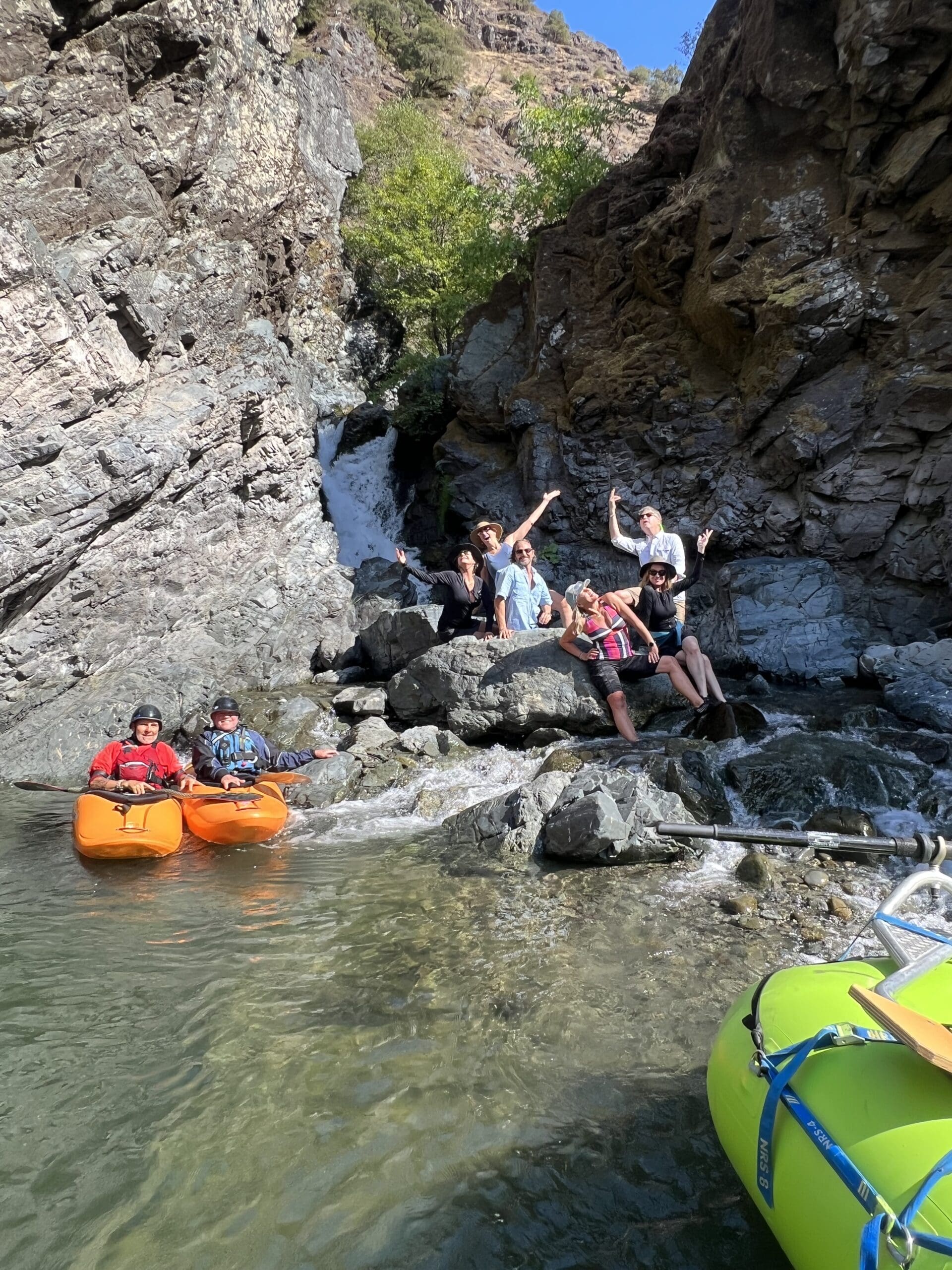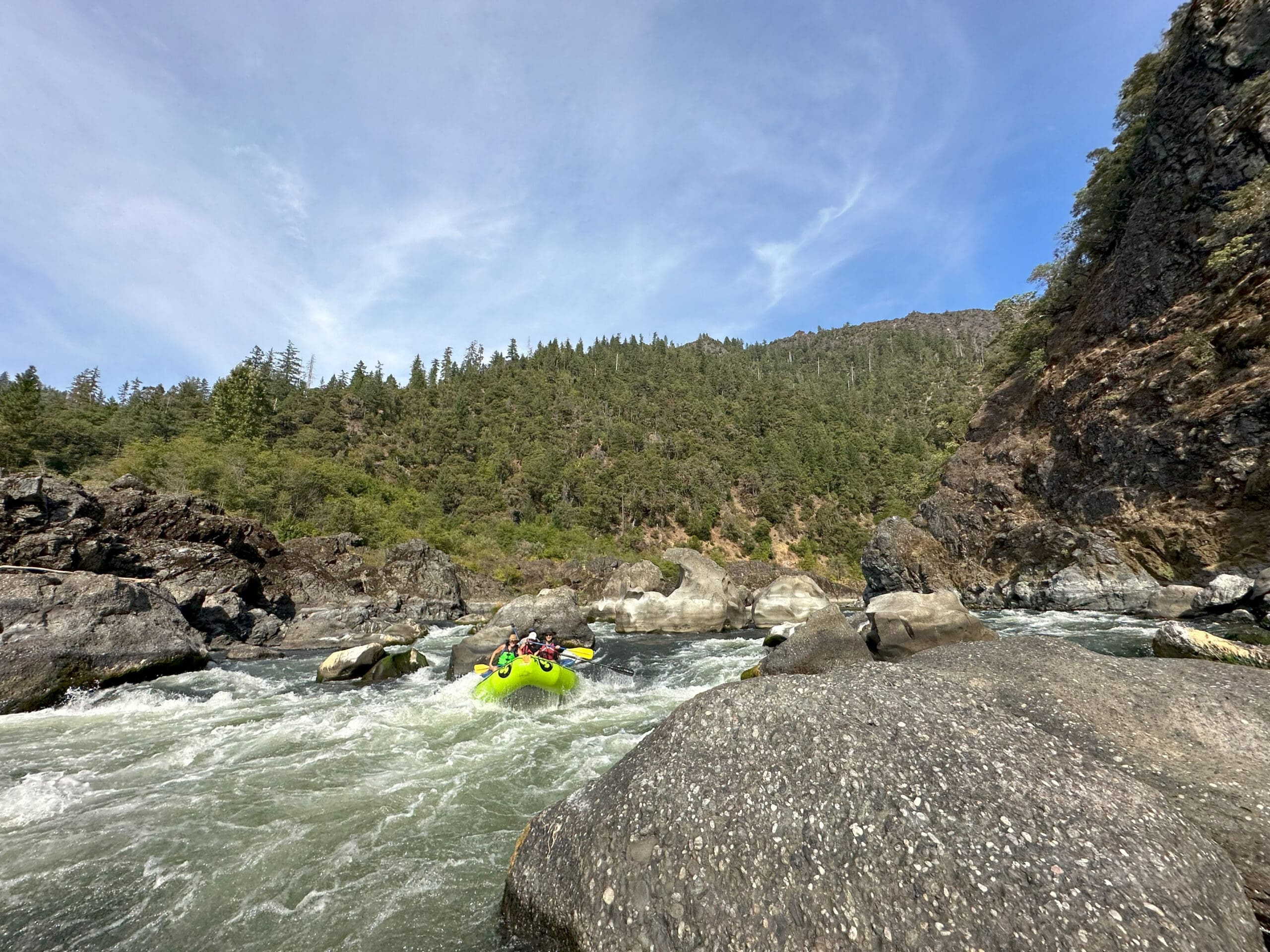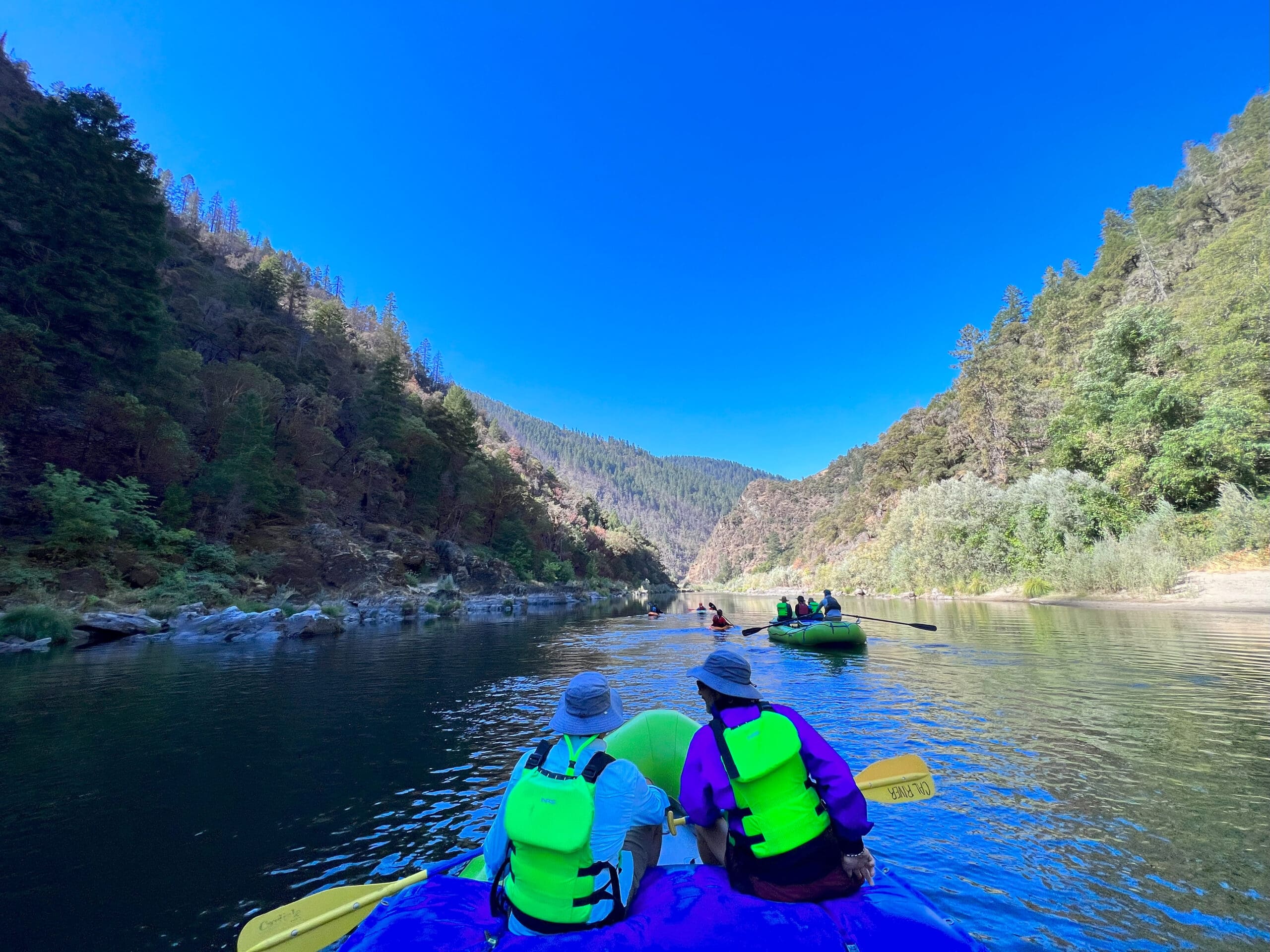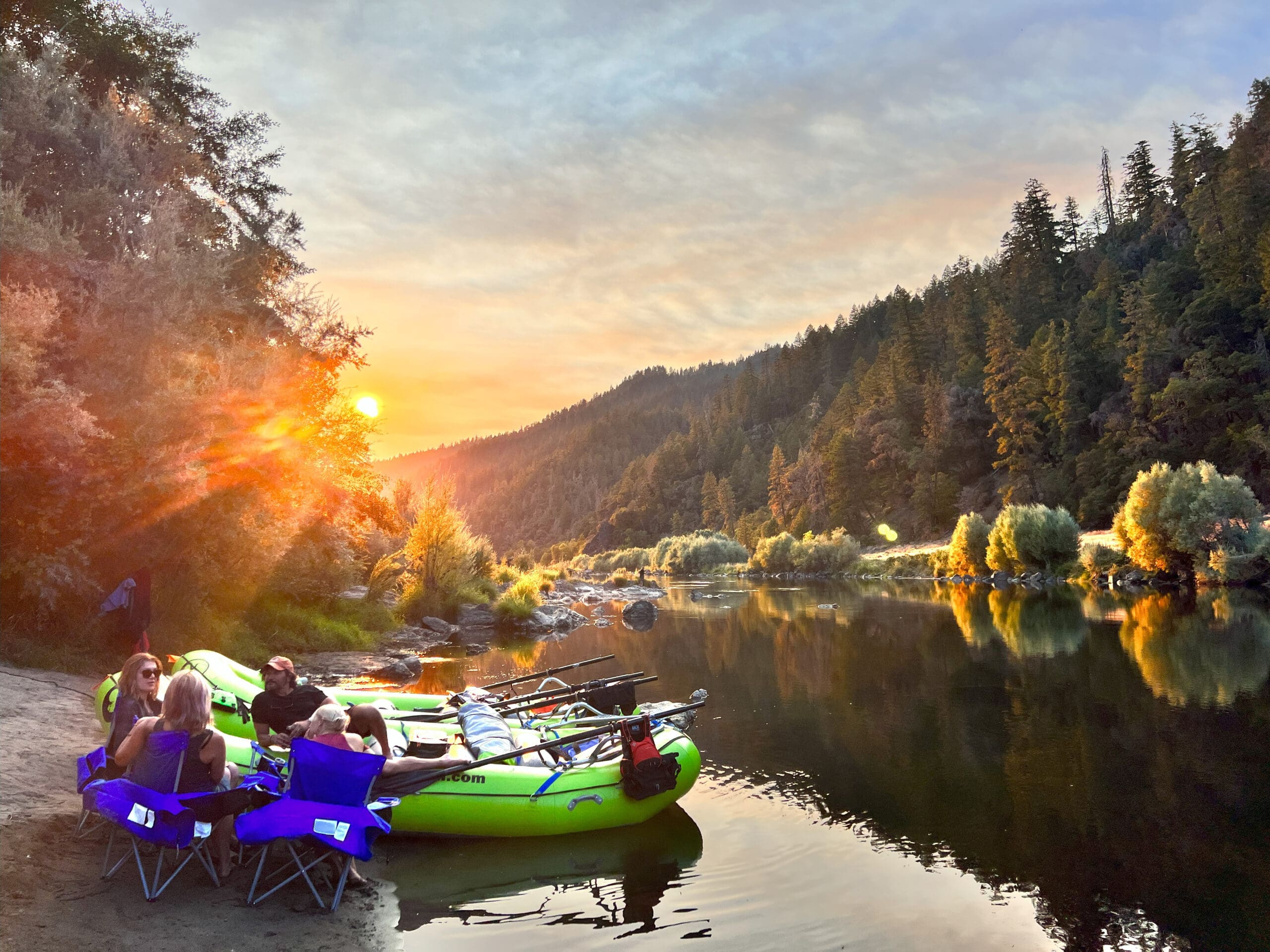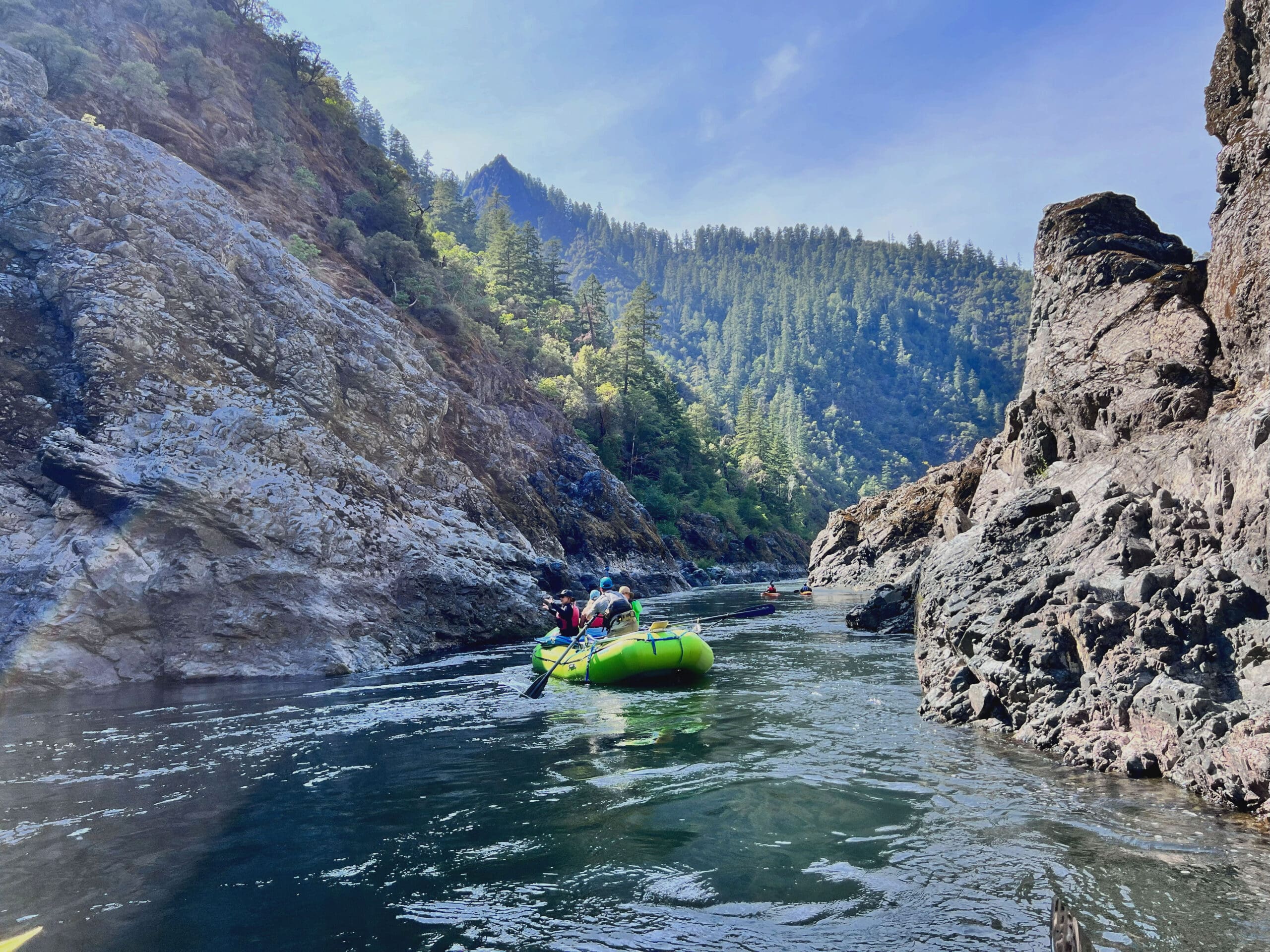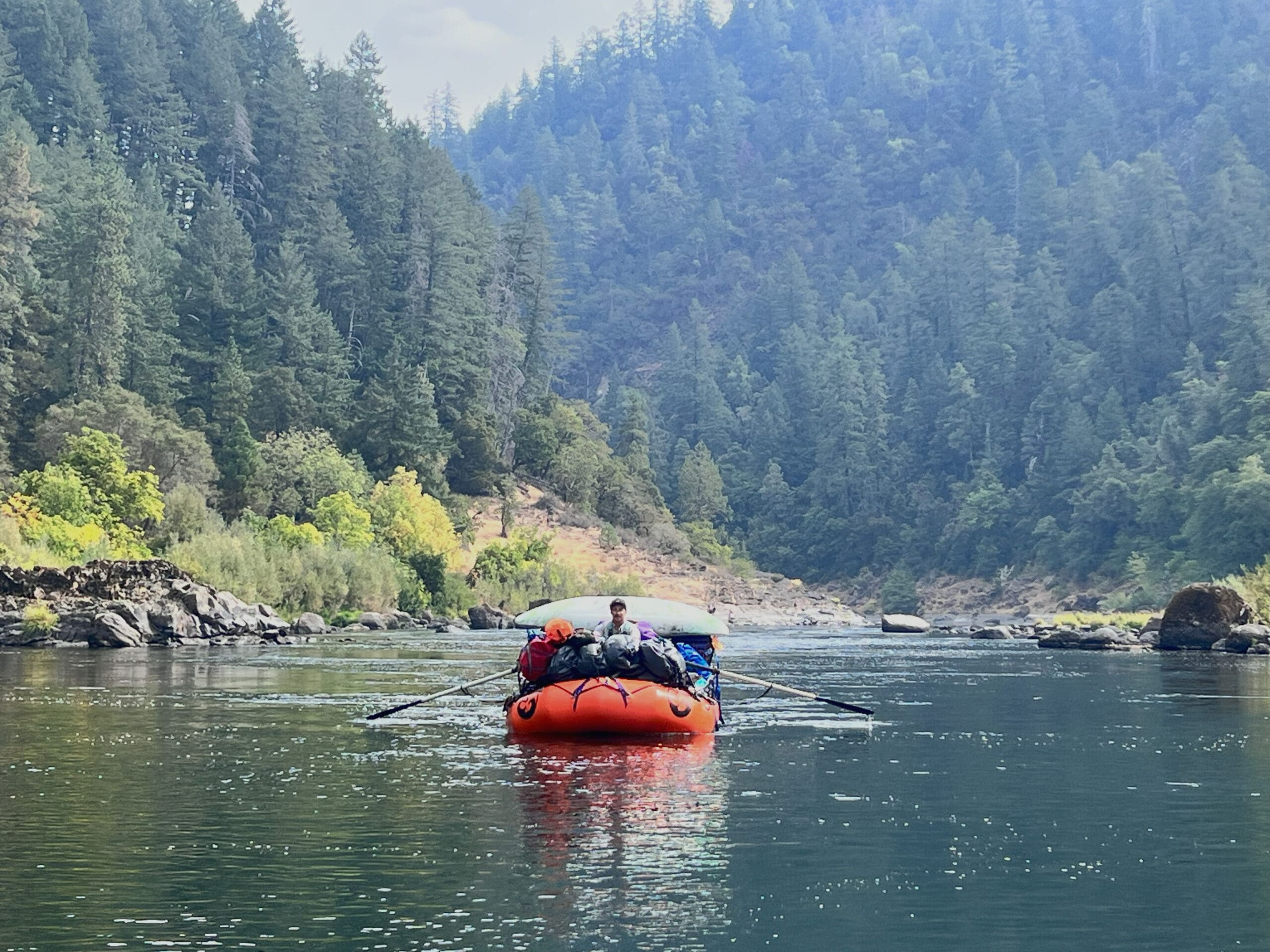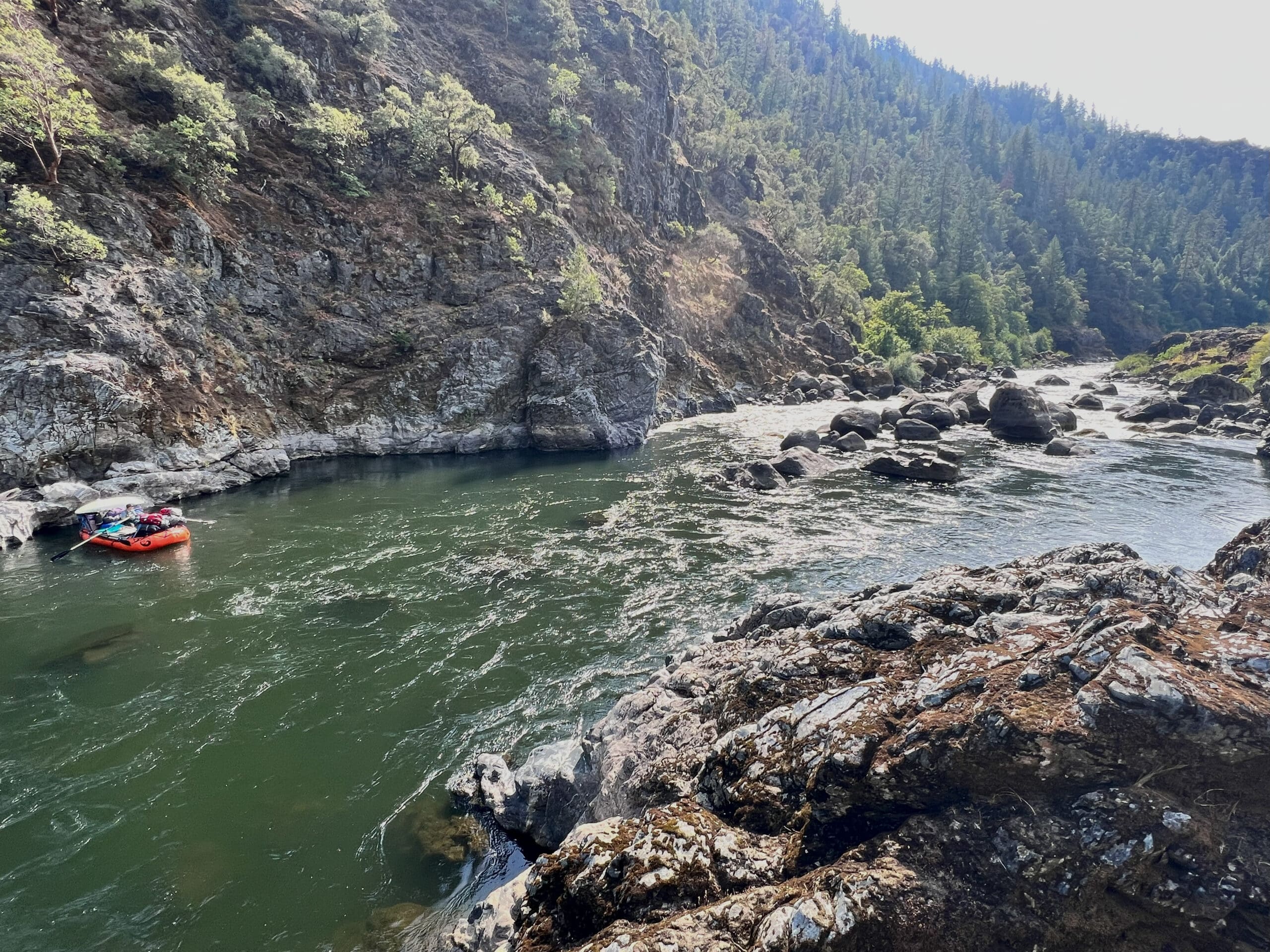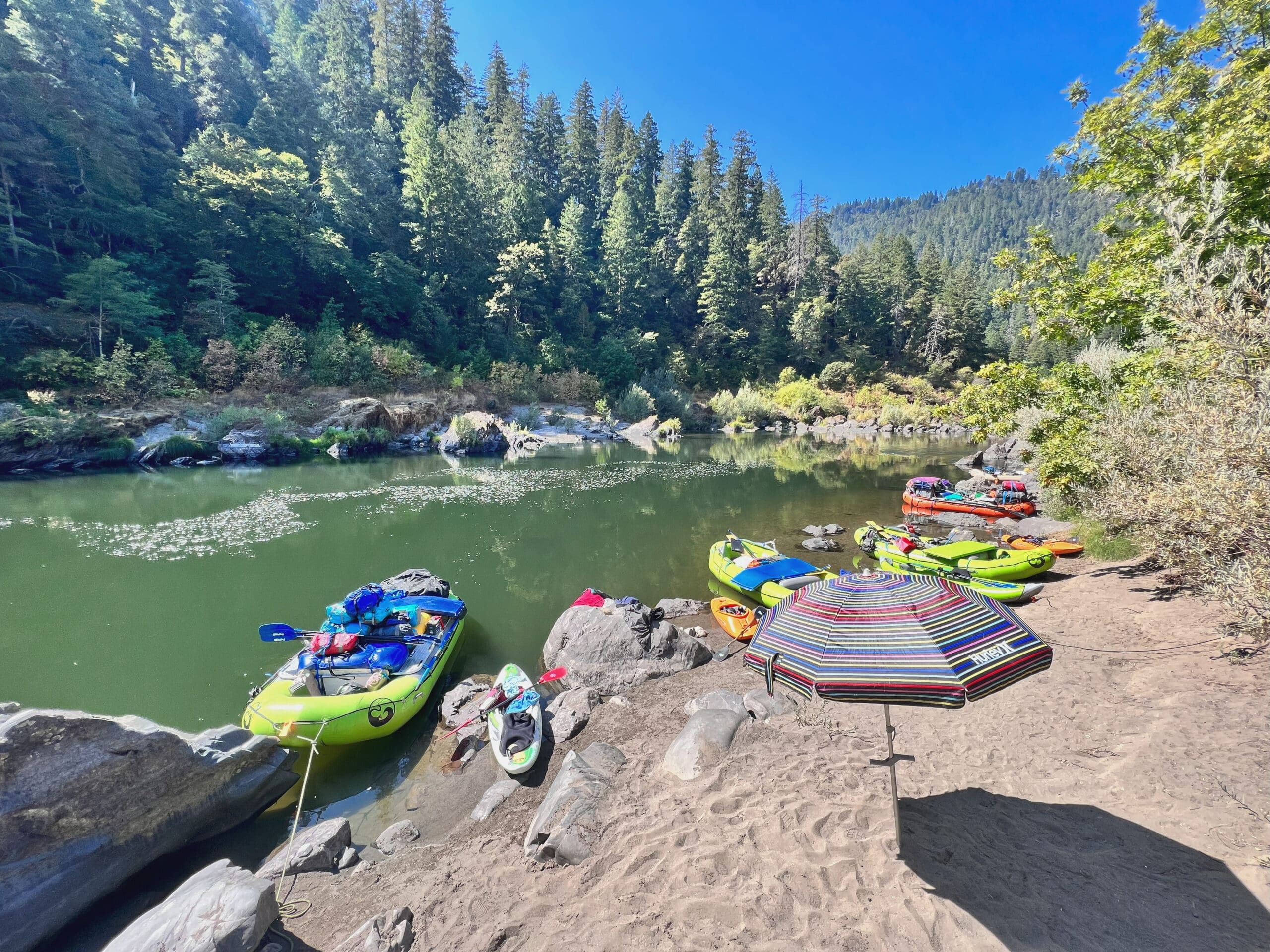
Wonderful experience!! Skilled, experienced and professional River guides. Best River Outfitters in the area!!
Tributary Whitewater Tours and the Rogue River trip was a fantastic experience all the way around. I have been on a guided tour down the Grand Canyon and this rivaled it, or was even better in many ways. I think the three top things to mention as stand outs was
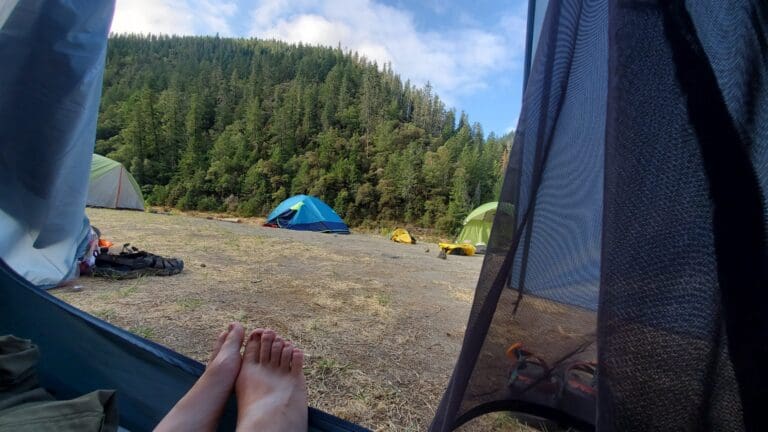
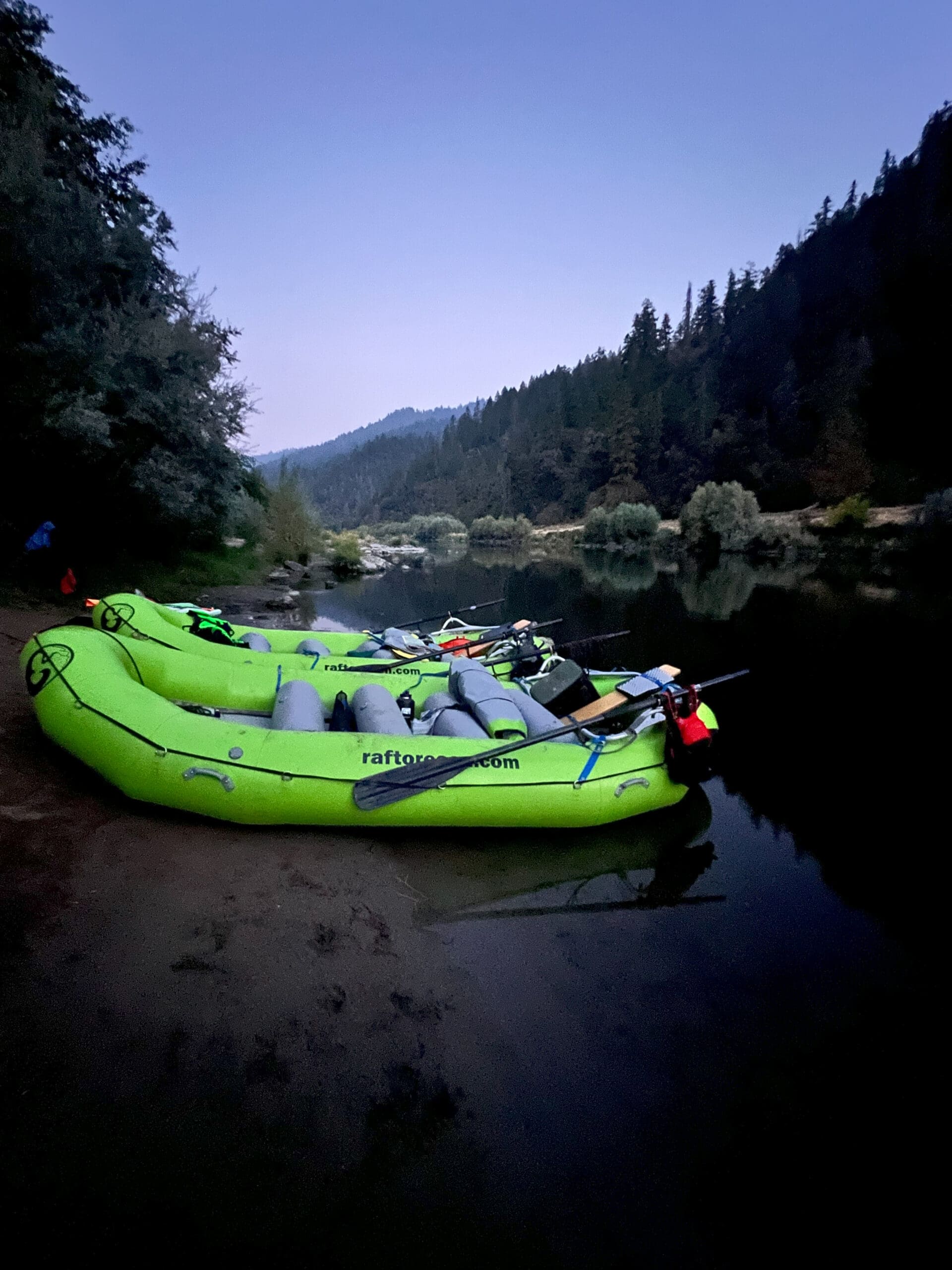
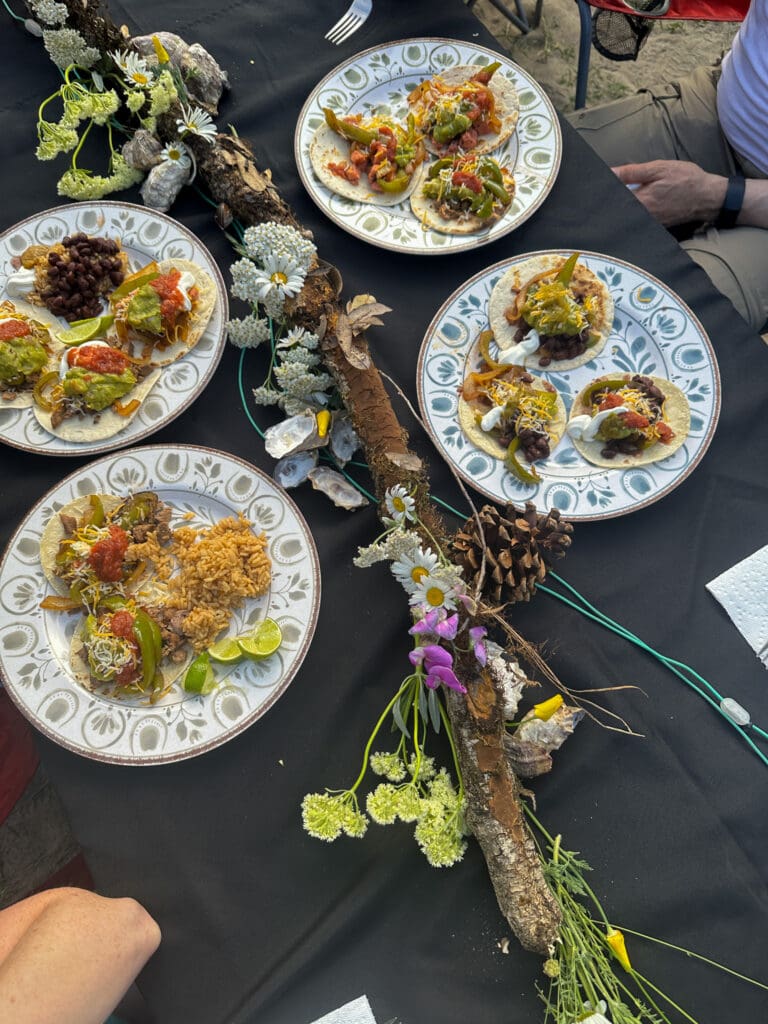
We had an amazing trip on the Rogue River with Tributary Whitewater Tours! The guides (Jeremiah, Shelby, and Max) were amazing. Super friendly, knowledgeable, and professional. Their energy elevated the entire trip. We were sooo spoiled. Our hard-working and tireless guides set up camp with comfortable cots with thick mattresses
One of the best ways to spend your money! Affordable and incredible. Our guides and did an exceptional job, big thanks for their roll in a perfect journey. Can’t wait to come back with a boat full of friends and do an overnight. Seriously, skip a dinner or night out
This was a great full day river rafting trip. Our guide was awesome and he shared a lot about the history of the river. We had many thrills on the ride down the river. Our guide was able to manage the group well to navigate through the rough waters. This
We had a fabulous day rafting with Tributary Whitewater Tours. The afternoon half day trip was the perfect amount of time on the river. Our experienced guide made sure we got the most out of each rapid and we still had plenty of time to swim and enjoy the beautiful
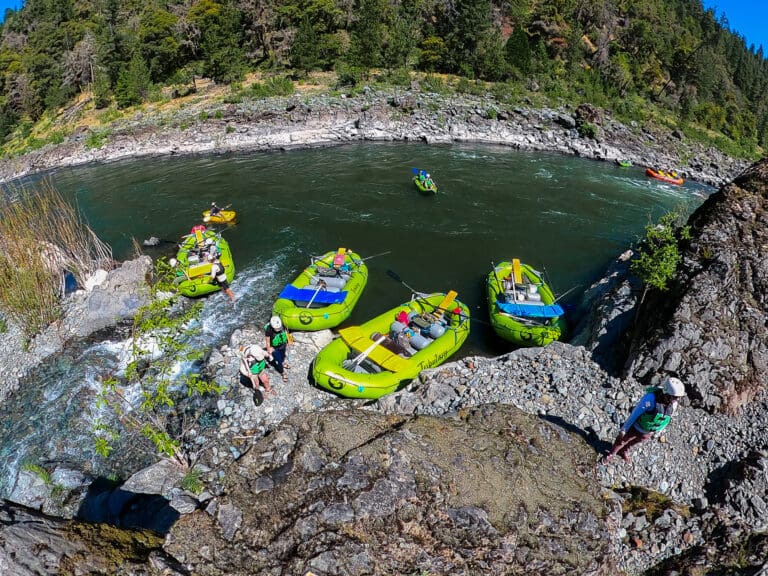
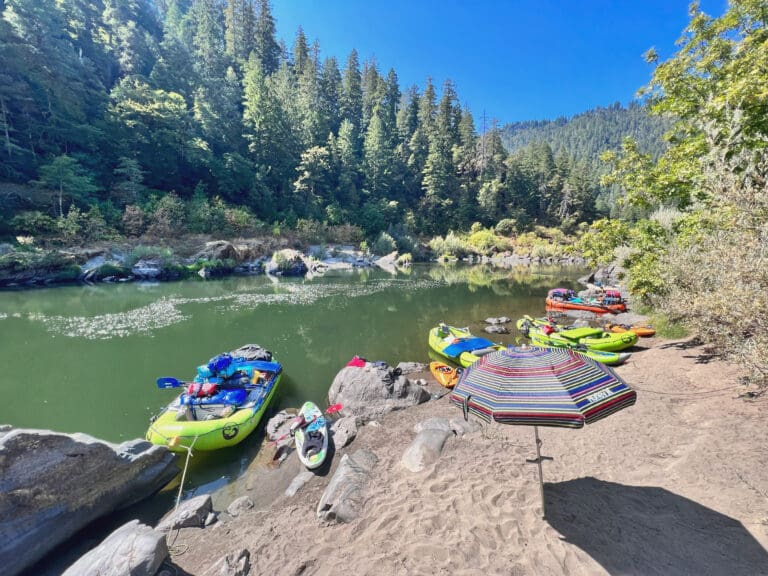
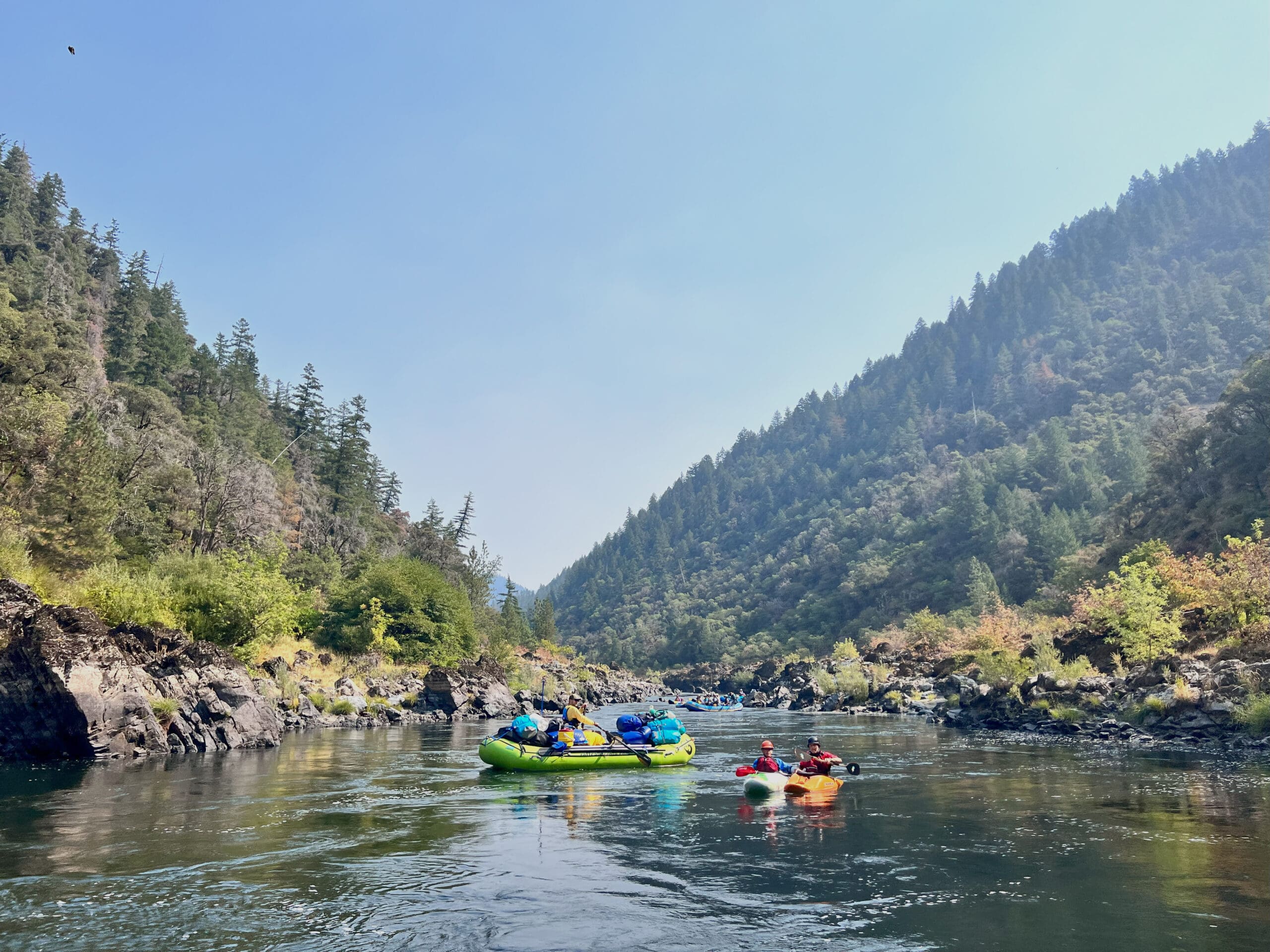
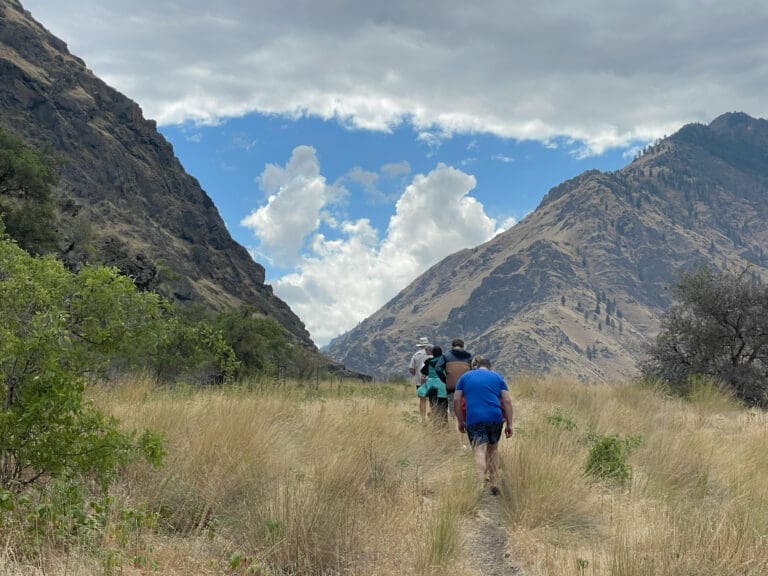
Tributary rafting trips run the Wild & Scenic section of the Rogue where there are many sandy beaches to enjoy and options of side hikes. In fact the Rogue River Trail follows the river for 40 miles, offering the opportunity to explore some of the surrounding area via hiking or trail running.
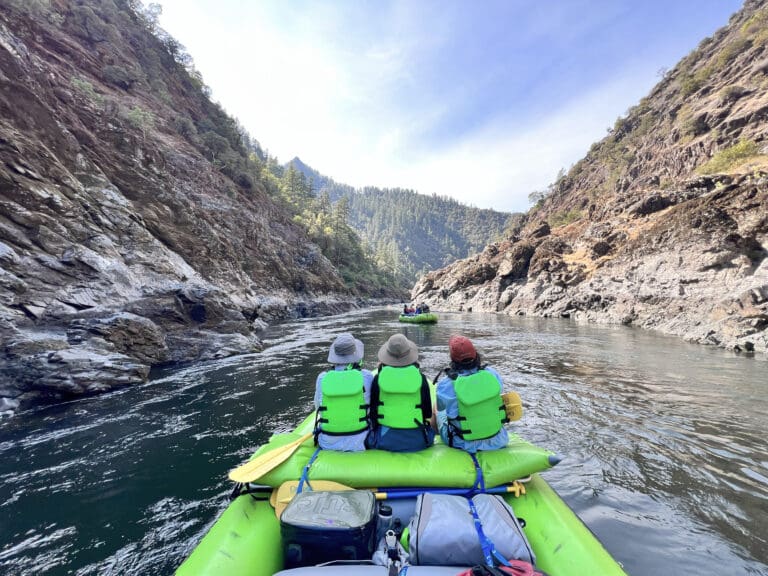
Nestled amidst the picturesque Rogue River-Siskiyou National Forest, this scenic waterway offers a variety of rapids suitable for all skill levels. From mild Class II rapids for beginners to heart-pounding Class IV challenges (with the option to walk around), Rogue River rafting trips promise an unforgettable journey through its emerald-green canyons and cascading waterfalls.
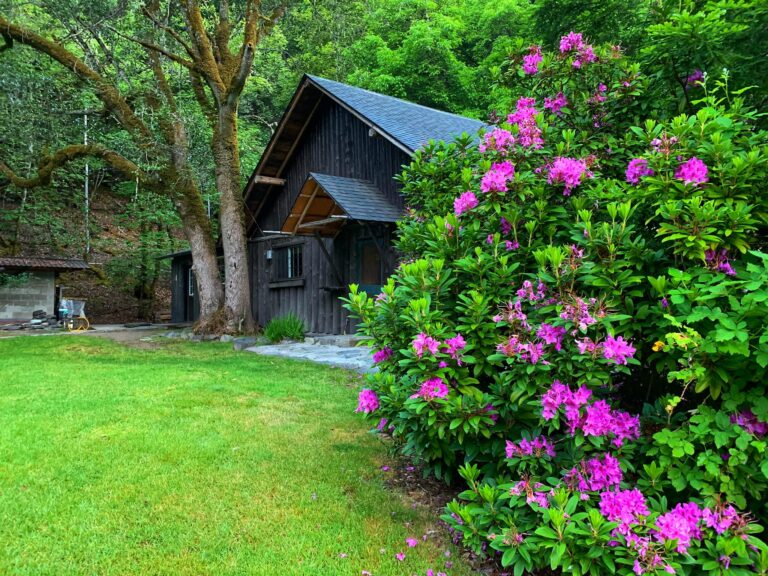
Those looking to upgrade their Rogue River camping accommodations can do so and stay at several riverside lodges along the way. (Must be reserved in advance, connect with us for more information.)
Looking for more rafting near Oregon? Check out more white water rafting southern Oregon trip options, Owyhee River rafting, river rafting near Bend, Oregon and whitewater rafting Ashland Oregon.
The renowned Rogue River is Oregon’s third longest rivers and one of the most popular destinations for whitewater rafting in the state. Originating at its headwaters in the Cascades of Oregon (near Crater Lake), the Rogue travels west 215 miles through the Klamath Mountains ending the Pacific Ocean in Gold Beach Oregon.
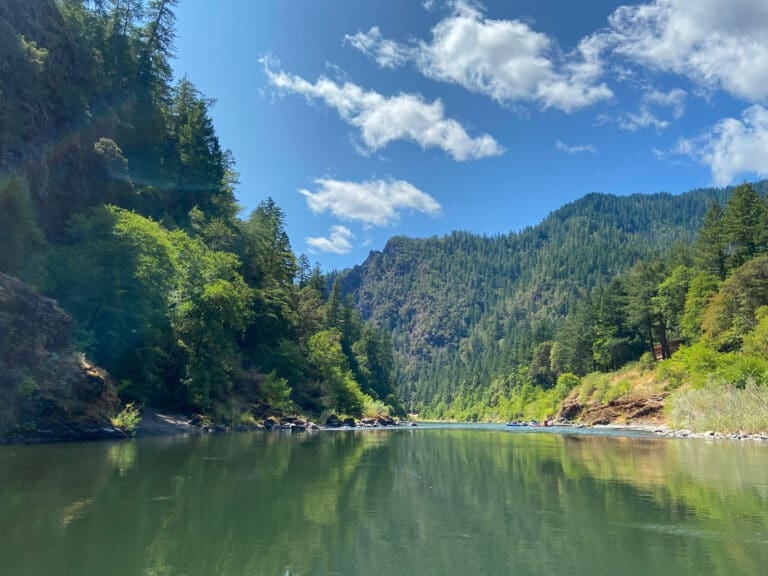
Besides being a west coast classic, rafting the Rogue River is special due to its pristine beauty, breathtaking scenery, and diverse plant life – hosting numerous plant species not found anywhere else in the word. Due to its temperate coniferous forest and proximity to the coast, it offers a sort of “green belt” for river rafting with lush forests and mystic mountain air.
The Rogue River is home to 84 miles of National Wild and Scenic River which are specially protected rivers that are specifically known for free-flowing conditions, water quality and have remarkable scenic, recreational, fish and wildlife history values. These criteria led Congress to add them to Wild and Scenic River Systems and put them under special protection. The Rogue River was one of the original eight rivers designated in 1968.
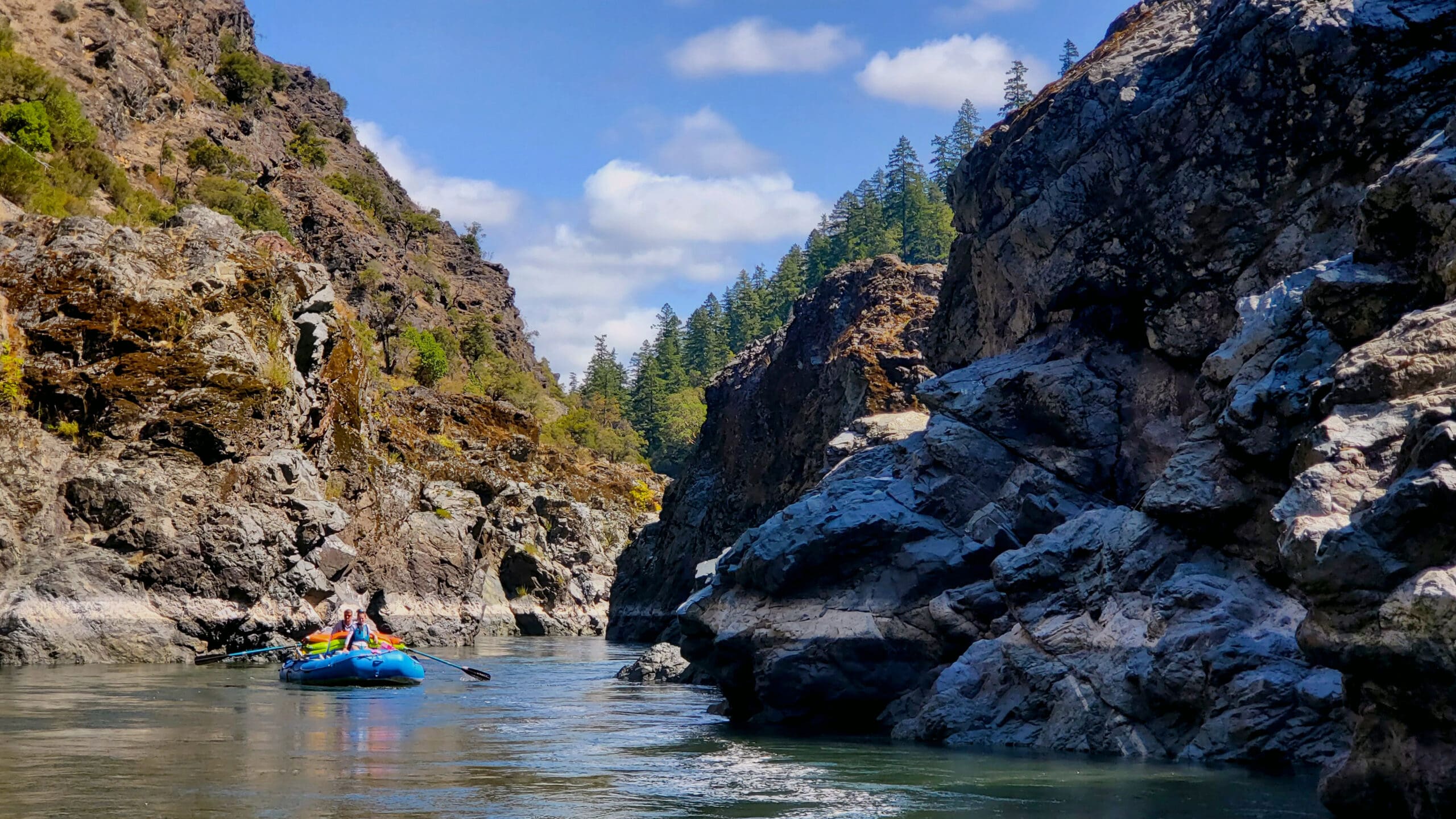
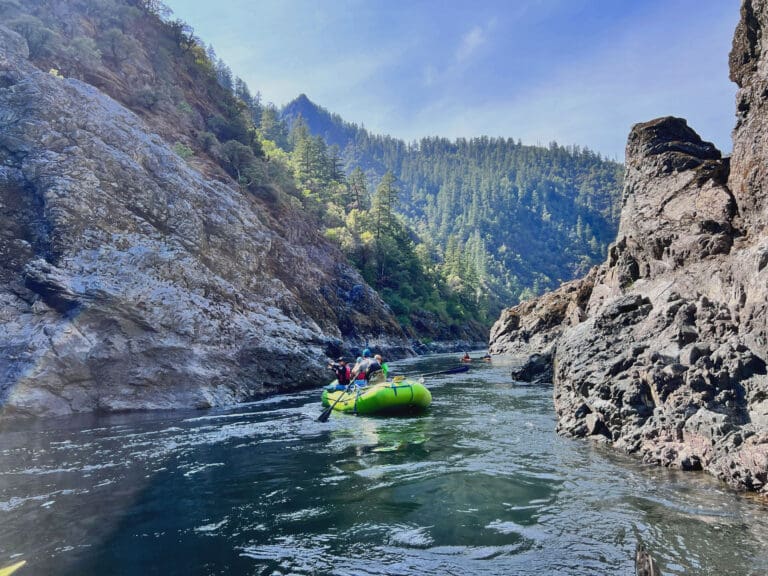
The mountains around the Rogue River can range from relatively modest hills in the Coastal Range to impressive, tall peaks in the Cascade Range. Throughout their trip rafters will experience steep canyon walls with relief of 3,000 – 4,000ft. This impressive relief is found throughout the Wild & Scenic river section and includes surrounding mountains such as Bobs Garden Mountain (4,265ft), Mule Mountain (2,700ft) and Panther Ridge (3,200ft).
The Rogue River white water rapids are primarily Class III, Rainie Falls rapid is a Class V, but an easy portage (walk around on shore). Check out our Rogue River rafting map to see all of the rapid sections.
4 days. Our Rogue River rafting trips include 4 days on river and 3 nights riverside camping in the wilderness.
In 1968 Congress passed the Wild and Scenic Rivers Act. Eight rivers were included in the original act, including the beautiful Rogue River in southwestern Oregon. Once you’ve had the opportunity to experience the Rogue you will understand why. Winding through a canyon full of dense forests, wildlife, fish, and volcanic geology, the Rogue serves up some truly breathtaking scenery.
The Rogue River is renowned for its fishing opportunities. It’s famous for its salmon and steelhead runs, making it a popular destination for anglers. There are various fishing spots along the river where you can catch these prized fish.
The Rogue River is famous for its stunning scenery, whitewater rafting, exceptional fishing opportunities, and being designated as a National Wild and Scenic River. It’s also known for its historical significance and diverse range of outdoor activities.
The Rogue River features several notable rapids, with “Rainie Falls” being one of the most challenging. It’s classified as a Class V rapid and requires experienced rafters to navigate. Other significant rapids include “Blossom Bar” and “Mule Creek Canyon,” both of which offer exciting Class IV challenges.
We hold deep the respect for the ancestral lands on indigenous communities, particularly the river canyons within state and federal territories where we operate. Along the Rogue River, spanning from Alameda Bar to Foster Bar, we honor the traditional territories of the Tolowa Dee-ni’, Takelma, Modoc, Cow Creek Umpqua, Tututni, as well as the Confederated Tribes of Soletz Indians and the Confederated Tribes of Grand Ronde.
Acknowledging the Indigenous communities whose lands we visit is a crucial step in understanding our shared history and the ongoing challenges faced by these populations today. For more insight, visit our Territory Acknowledgement page. We encourage you to learn about the people whose land we’re privileged to explore by following the links above. Our Territory Acknowledgement is an evolving project. If you find missing information or acknowledgments, please share it with us. Together, we can ensure accuracy, inclusivity, and respect. Thank you.