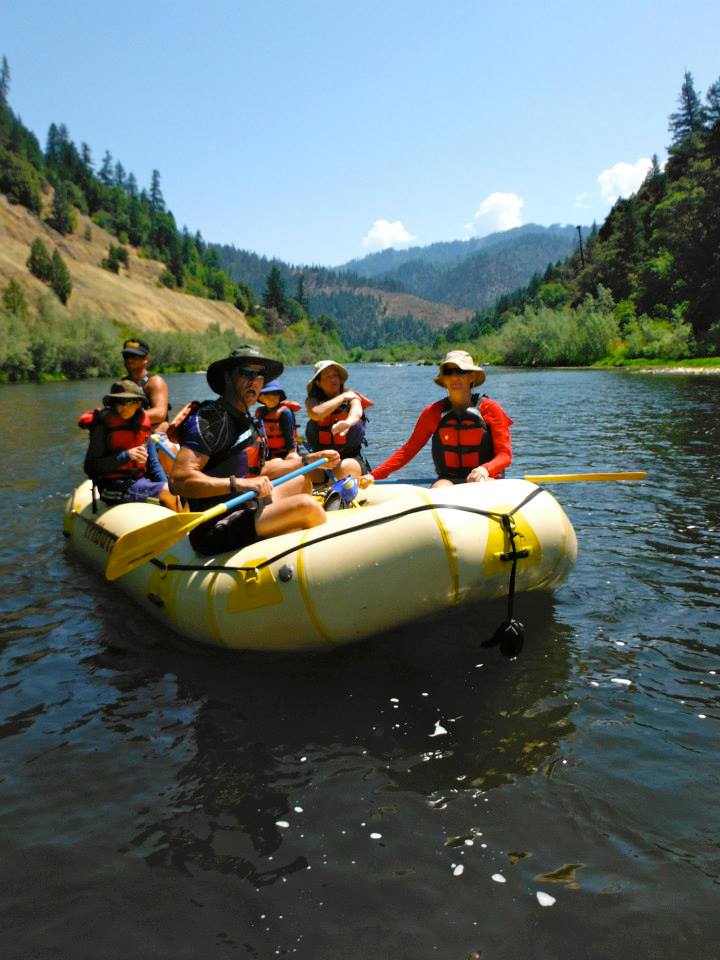
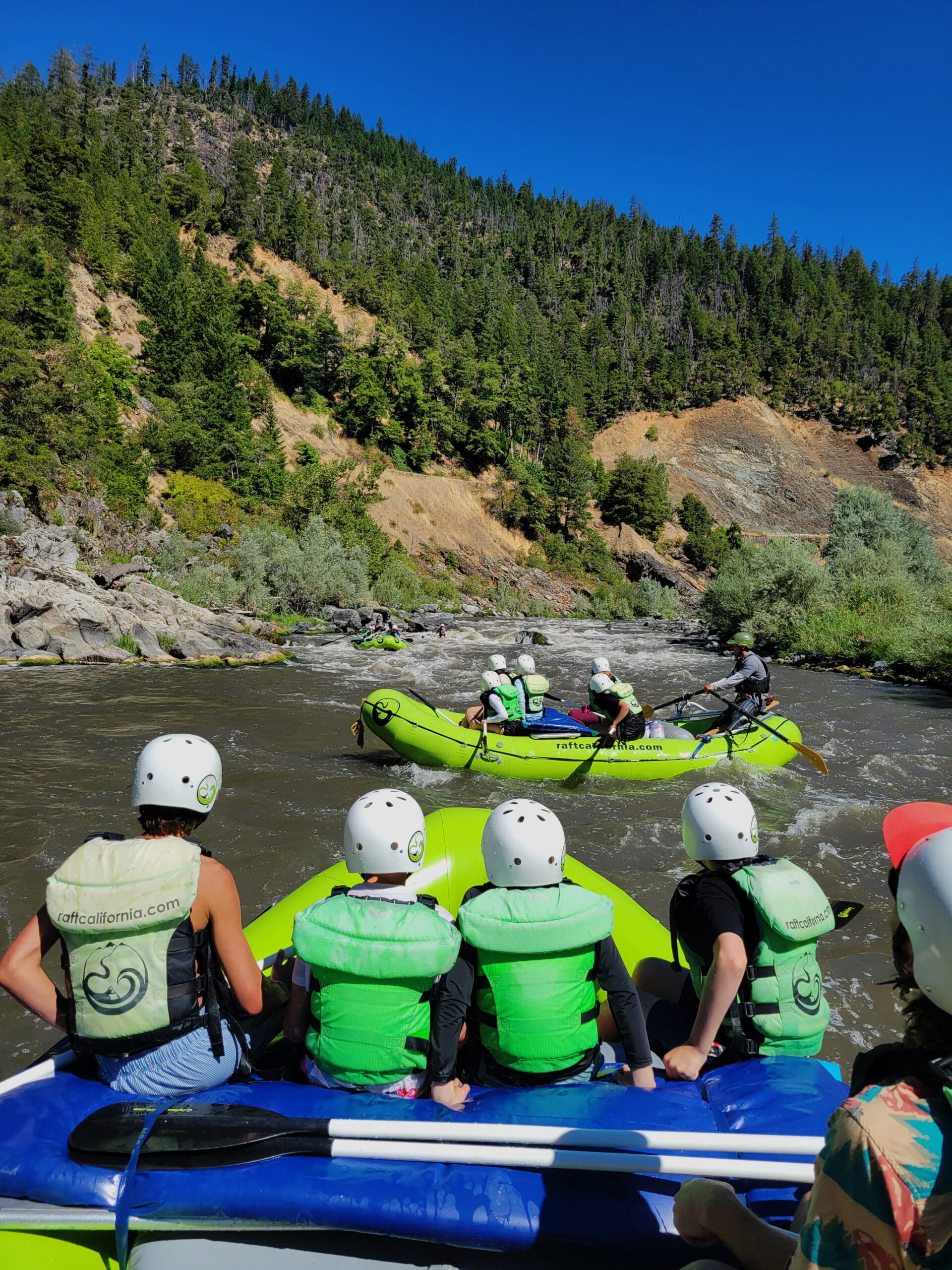
my three day raft trip on the lower Klamath with Erin and Joe as our guides was wonderful. They were both professional skilled personable delightful human beings and the Klamath River beautiful, fun, and deeply delightful as well. I could not more highly recommend the river or our two guides.
my three day raft trip on the lower Klamath with Erin and Joe as our guides was wonderful. They were both professional skilled personable delightful human beings and the Klamath River beautiful, fun, and deeply delightful as well. I could not more highly recommend the river or our two guides.
Jeremiah, Eva, & Tim were phenomenal guides who busted their tails every day to give us a world class rafting experience. Numerous times we remarked at all the details they thought of – from the trip planning and logistics to the food to the rafting itself. Excellent trip for me
Tributary was AMAZING! We had a FANTASTIC 3 day Wilderness Trip with our 5 and 9 year olds. Our guides (Drayson, Ryan, Erin, and Joe) were not only great company, they kept us safe at all times, and even cooked all our meals (a pleasant and delicious surprise)! Our 5
This place rocks! My fiancée, myself and a friend just did the upper Klamath river putting in in the state of Oregon rafting across the state line into California. This trip was full of awesome class 4’s and plenty of other fun lower class rapids. We had Chris Reeves as
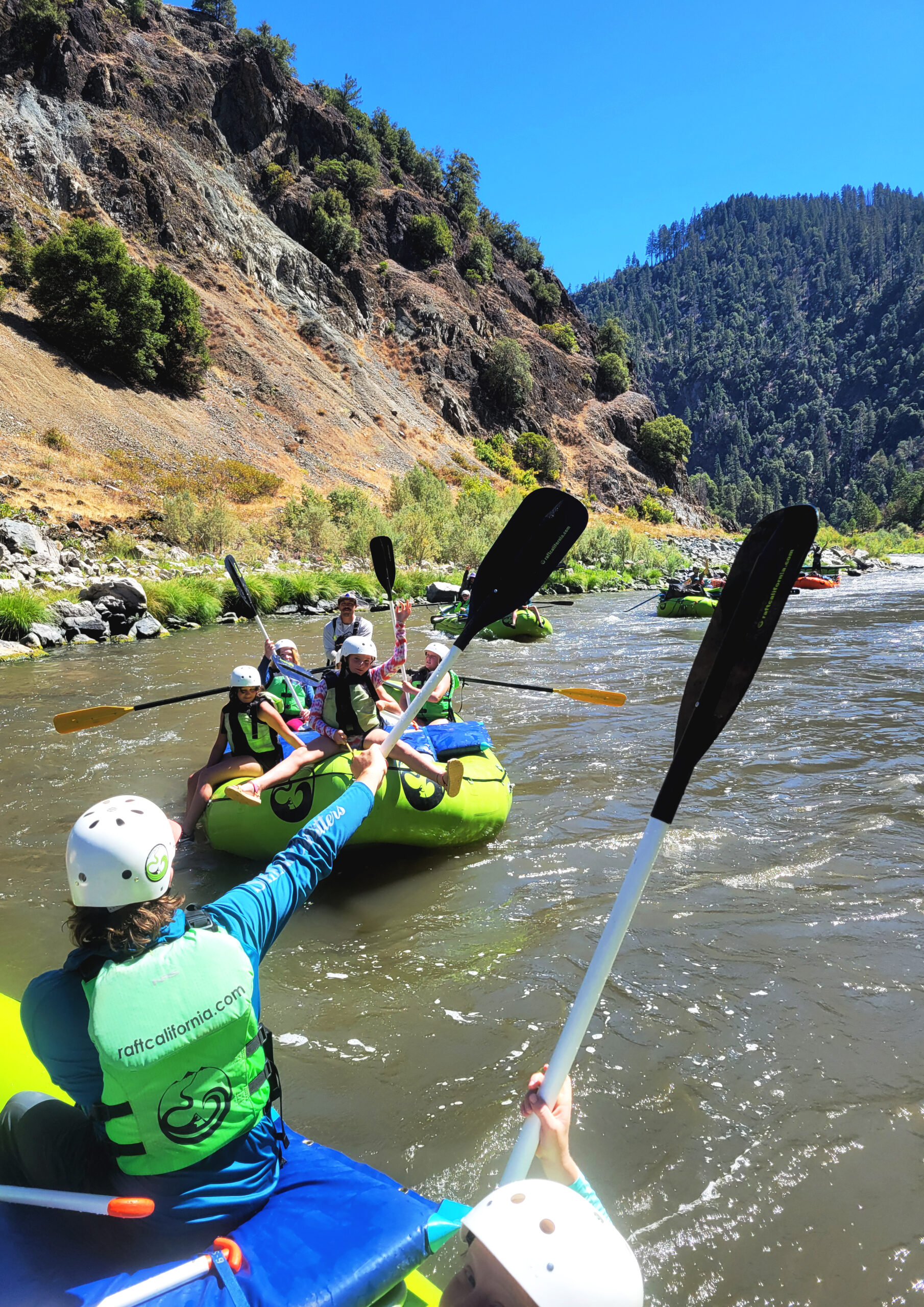
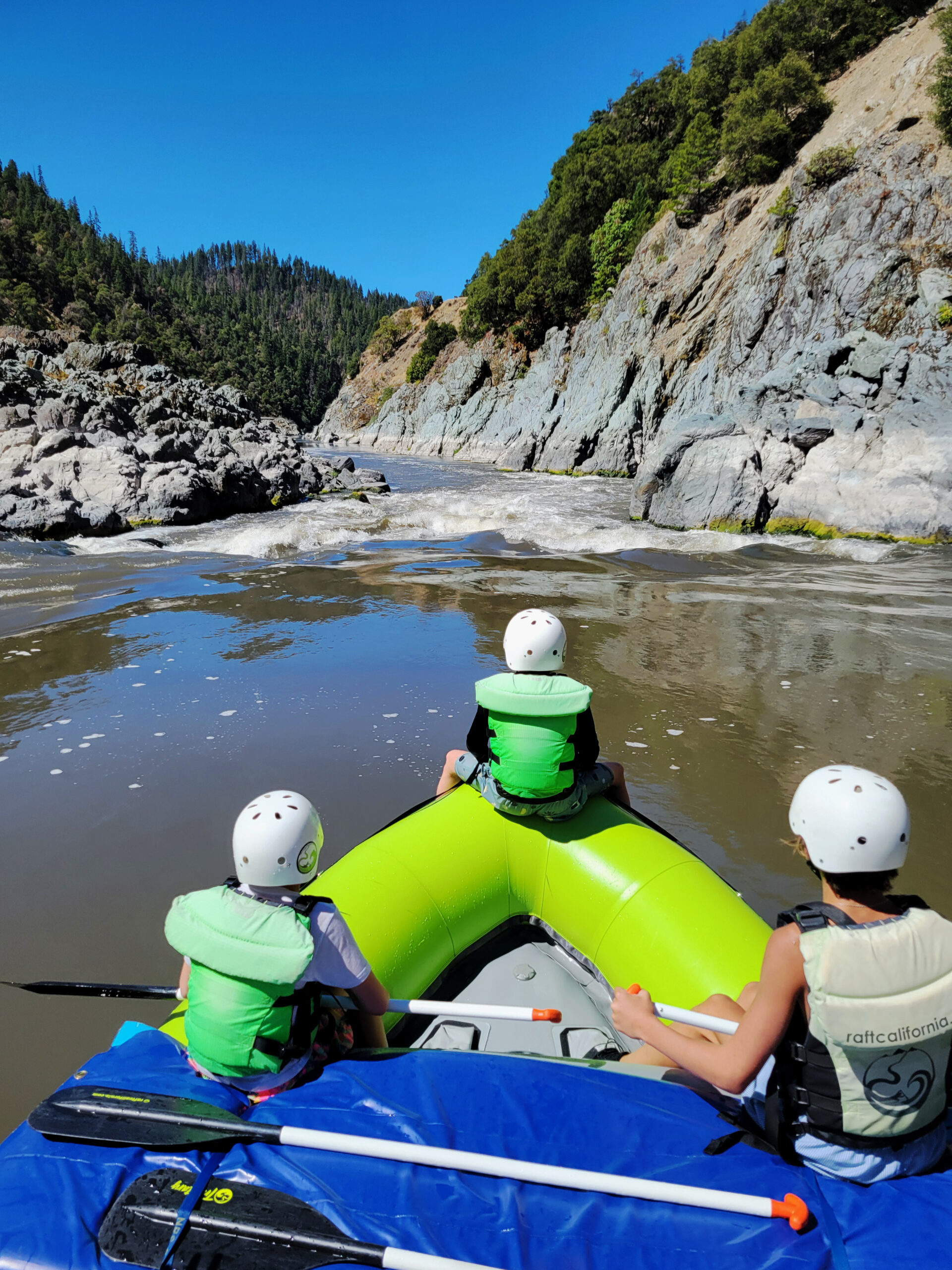
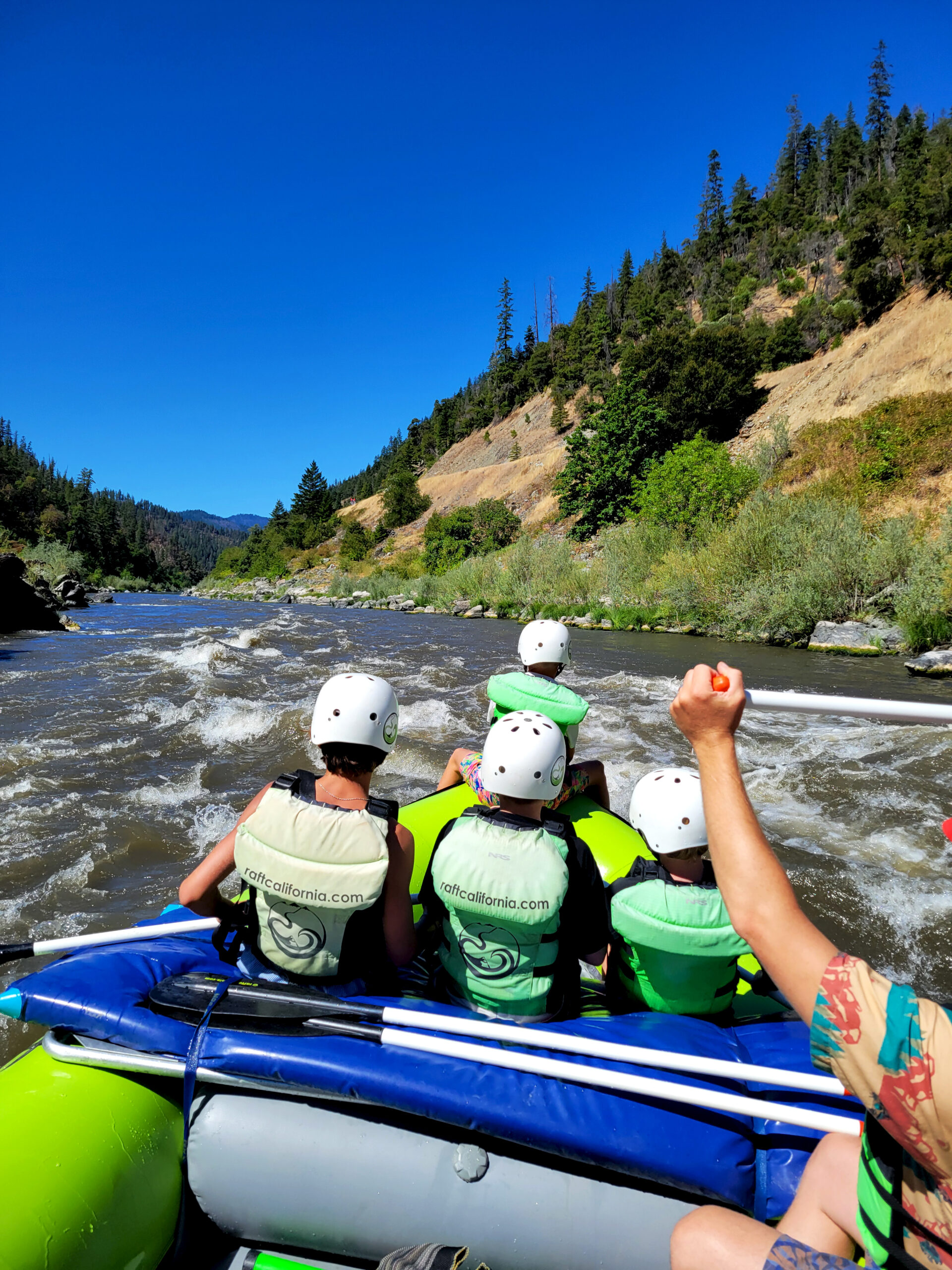
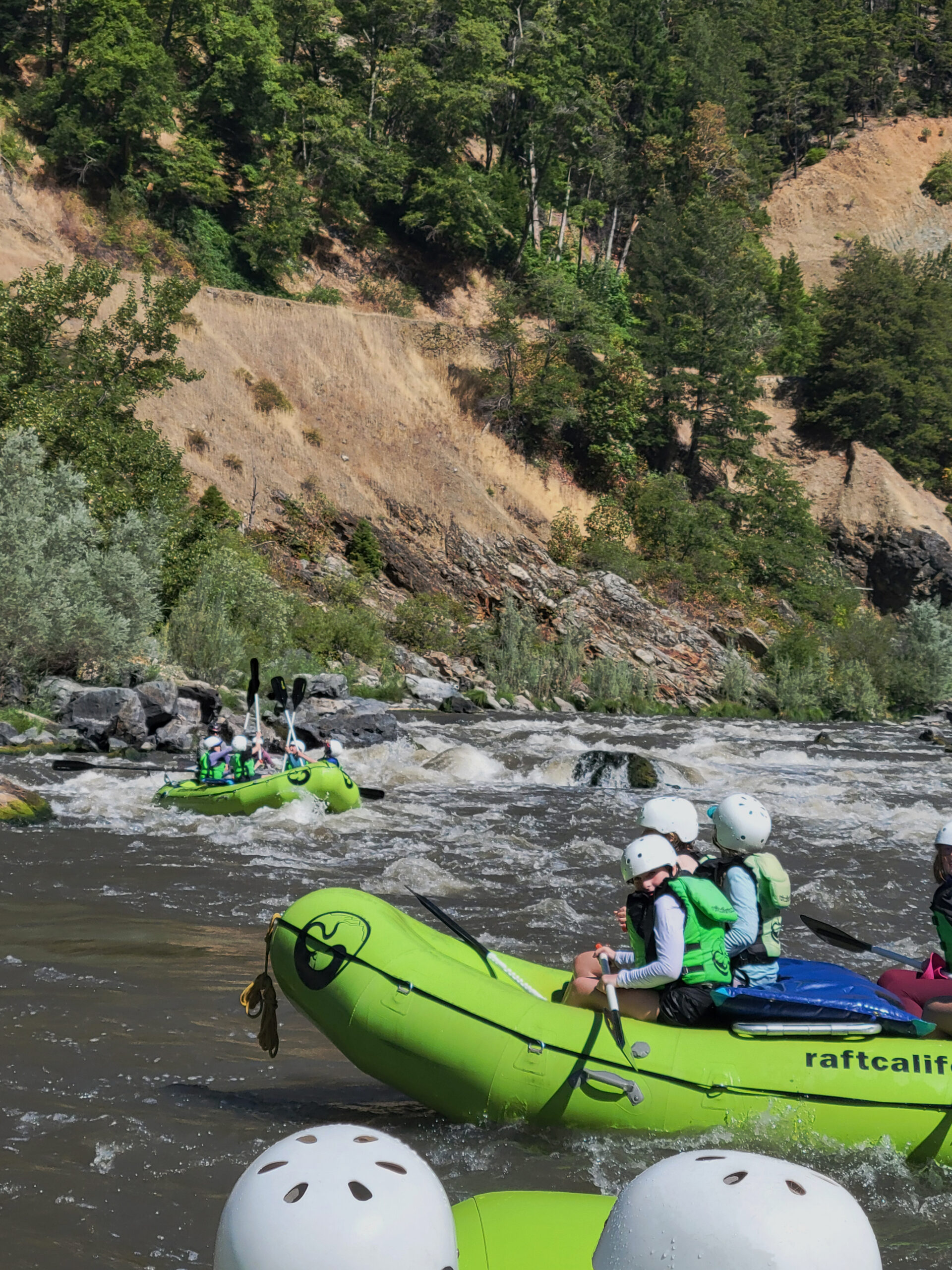
The Lower Klamath River is peppered with fun, accessible rapids for most ages, from splashy Class II to the exciting Class III+ rapids of the Dragon’s Tooth. You can choose to skip Class III rapids if you prefer, making this a great trip for children ages 4 and up, as well as non-swimmers. Rafters can also try their hand at some of the smaller rapids in inflatable kayaks.
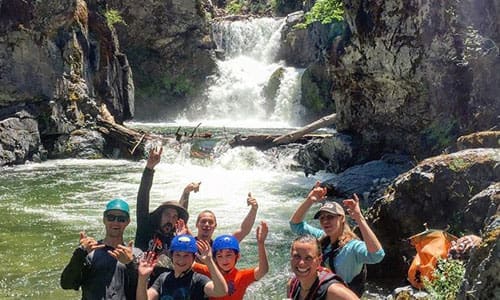
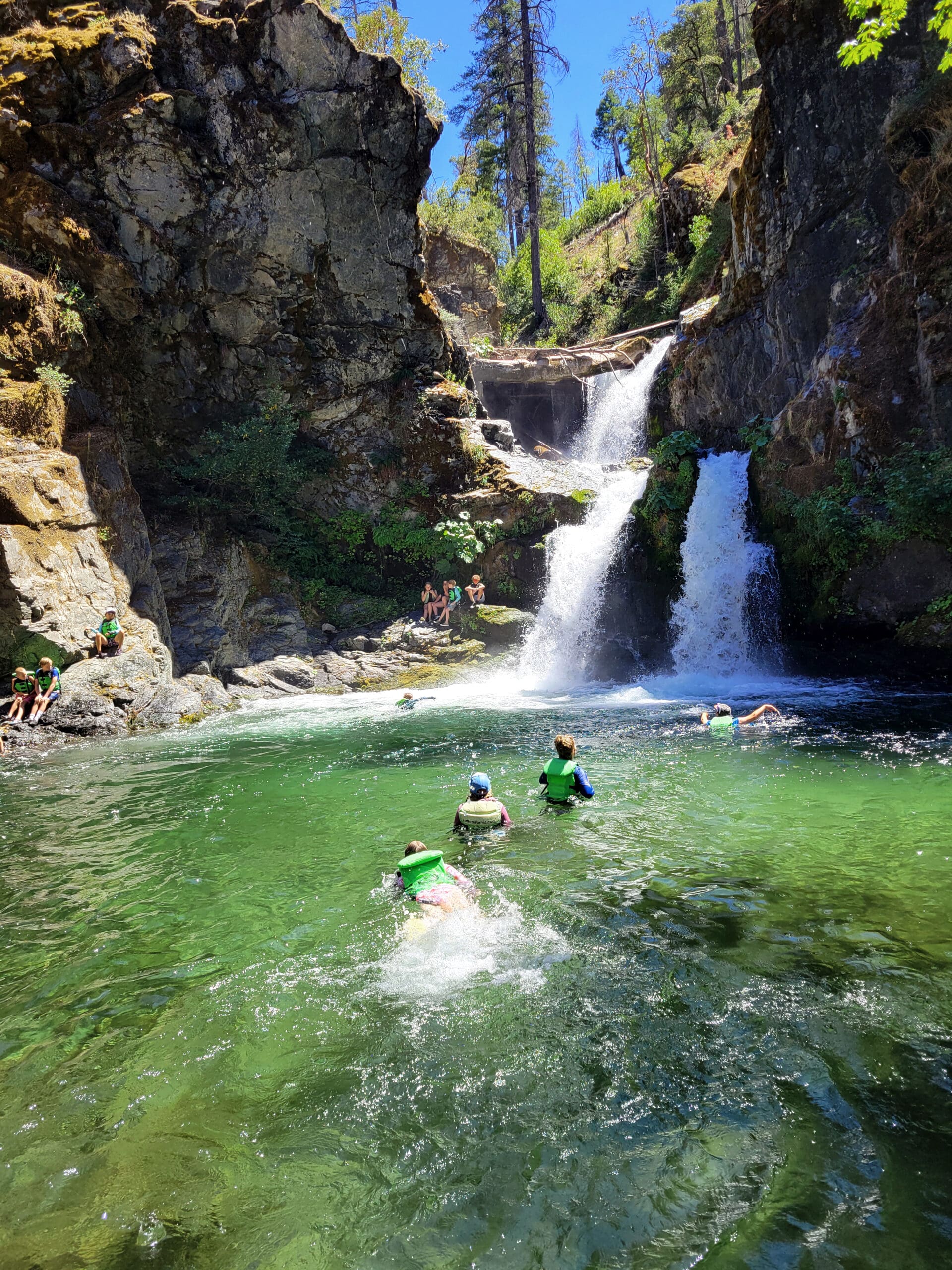
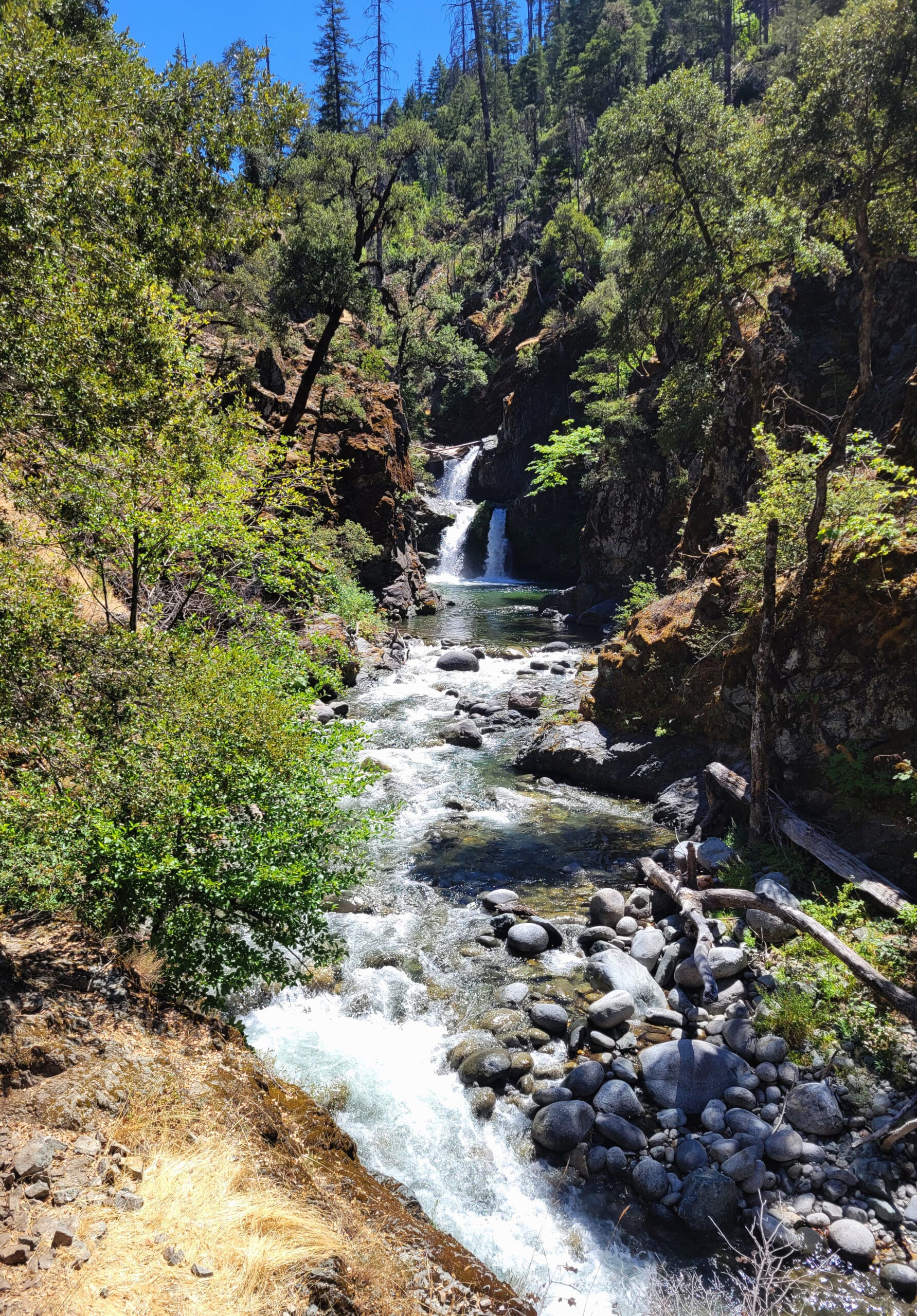
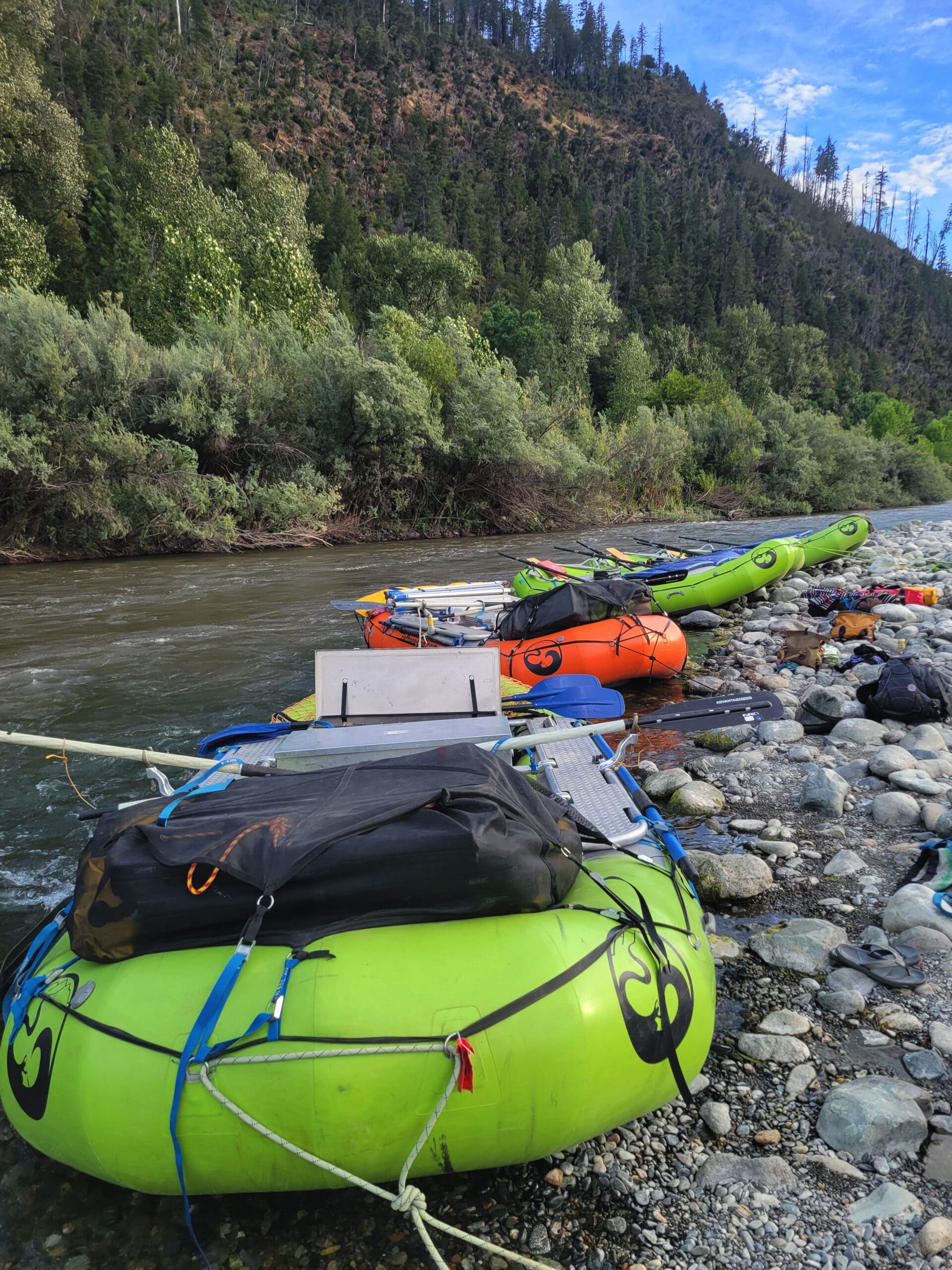
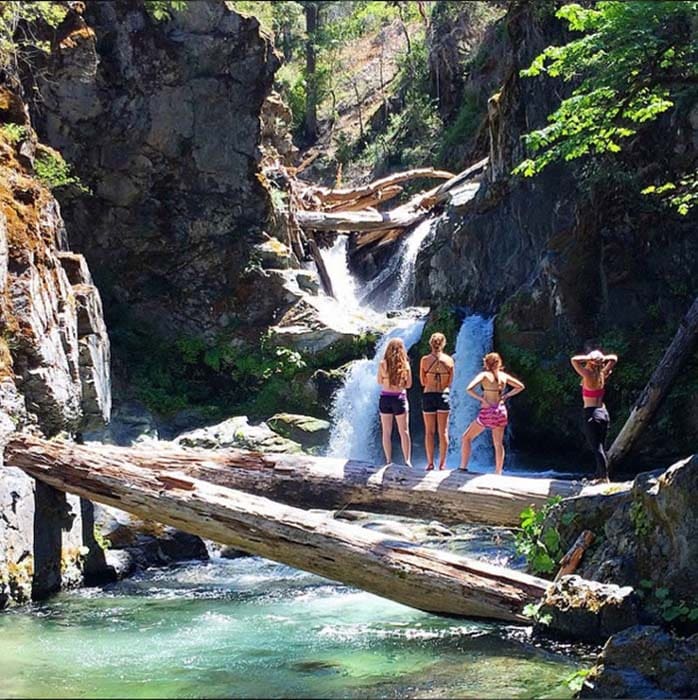
Tributary offers a three-day, two-night rafting and camping adventure down the Lower Klamath River. After full days of rafting and looking for wildlife, evenings are spent fishing from shore, playing games on the sandy beaches, and sitting around the campfire before retiring to cozy tents to sleep. There’s also the option to take a short hike to the remote Ukonom Twin Falls, a pair of beautiful twin waterfalls that are accessible only by raft.
The Lower Klamath River is perfect for beginners and family groups of all ages looking to take on their first multi-day river expedition.
Raft the same river in two states, Oregon and California, on the same day during our Upper Klamath river rafting trip. The Upper Klamath River is a Big Water Summer Class IV white water rafting trip, close to Mt. Shasta, CA & Medford, OR. Upper Klamath River white water rafting trips are offered as 1 day trips or contact if you have a group (6 or more people) and would like to chat about overnight trip options.
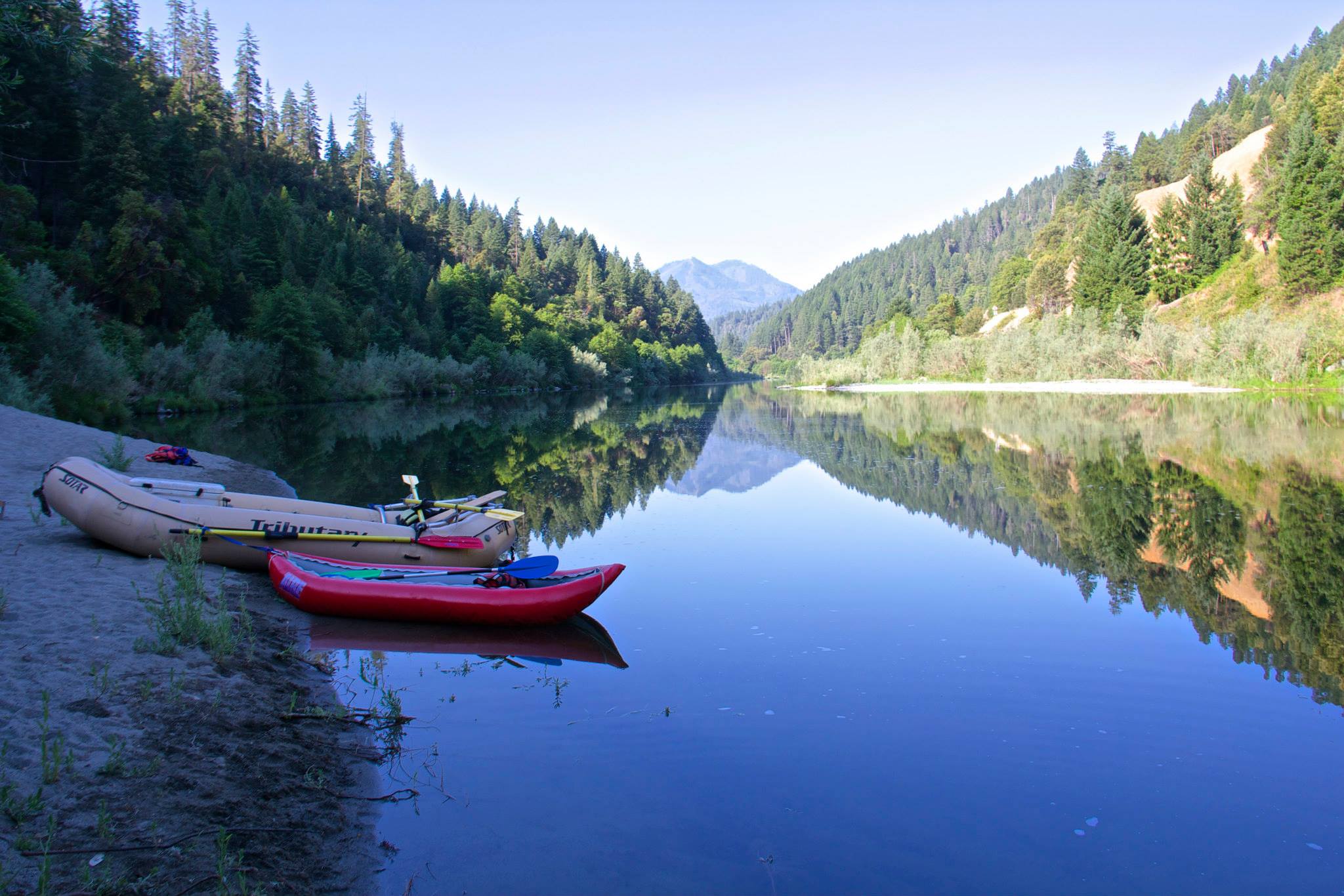
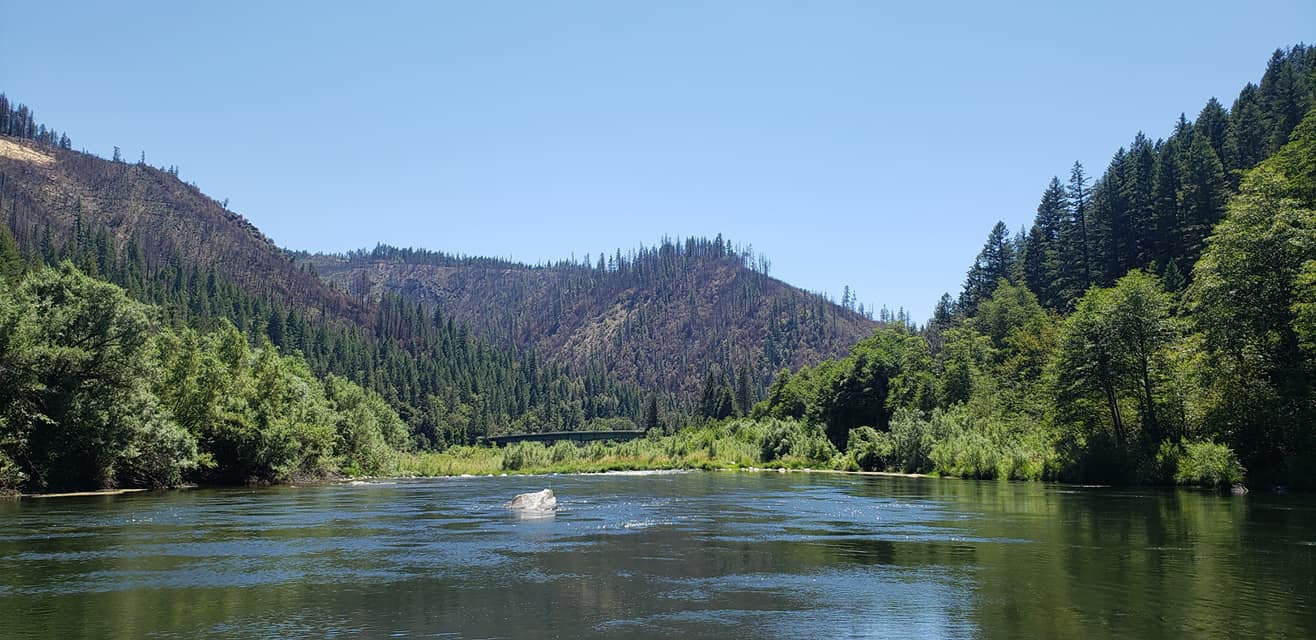
Hidden deep in the northwest corner of California is one of the state’s first Wild and Scenic Rivers and the third longest river in the US: the Klamath River. Originating just over the border in Oregon, the Klamath River winds 257 miles through the Cascade Mountains and into California before flowing into the Pacific Ocean just south of Crescent City.
Tributary offers trips on the Lower Klamath River, a fun, splashy section, and on the Upper Klamath River, a fast paced action packed Class IV, that wind you through the Siskiyou Mountains of the Coast Range in California. This mountain range is one of the most biodiverse temperate regions in the world and features rugged mountains and rainforests, as well as an abundance of plants and wildlife, including black bears, otters, deer, and numerous fish species like steelhead and coho salmon. Countless migratory birds also use the area and the nearby wildlife refuges are home to the largest wintering population of bald eagles in the Lower 48 states.
Nearly 188 miles of the Klamath River has been nationally designated as a Wild and Scenic River for its outstanding water quality and recreational, wildlife, and historical values. A Wild and Scenic River designation ensures that the Lower Klamath River will remain a pristine, free-flowing river for generations to come, and conservation efforts are currently underway to make the river even more diverse and pristine.
The Lower Klamath River is one of the few rivers in California that offers contiguous, multi-day whitewater rafting trips. Tributary’s three-day rafting trip down the Lower Klamath River is perfect for friends and families, young and old. While those seeking something a bit more action packed can try the Upper Klamath River 1 day trip.
Yes, on our wilderness Klamath rafting trips inflatable kayaks are available for our guests to enjoying. Previous kayaking skills are not required, but folks interested should be adventurous and in good shape.
It depends which section you are rafting. Our Lower Klamath River trips are Class II and III and are perfect for families and for those who haven’t been rafting before.
There are 4 hydroelectric dams scheduled for removal on the Klamath River.
There are camping, cabin and hotel options in and near Happy Camp, CA.
The lower Klamath River is a Beginner to Intermediate course that has Class 2-3.
The Klamath River runs through southern Oregon and northern California.
While on the Lower Klamath River, fishing is a popular activity to do on the course. This is namely due to the large population of salmon that inhabit the river.
The total trip length is 28 miles, therefore it takes 3 days total.
It is a vital watercourse renowned for its scenic beauty, diverse ecosystems, and cultural significance. The Lower Klamath River is also a refuge for birds during migration season.
The best place to fish would be in the lower section of the river.
The river supports diverse fish populations namely for species such as salmon and steelhead fish. These fish play an integral role in the region’s ecological dynamics. Fishing is a great activity for when visitors at overnight camps.
The biggest rapids on the Lower Klamath River are the Kanaka Falls/Rattlesnake and the Class 3+ Dragon’s Tooth.
If individuals are not comfortable with swimming, they are still welcome to experience the rafting course.
We hold deep respect for the ancestral Indigenous lands that we operate on.
The Klamath River Basin has been home to Indigenous communities for thousands of years, including the Yurok, Karuk, Hoopa, Shasta, and Klamath tribes, who have cultivated a deep connection with the river and maintain the health of the river today. The name “Klamath” was derived from the Indian word “Tlamatl”, which means “swiftness” in the Chinook language.
Acknowledging the Indigenous communities whose lands we visit is a crucial step in understanding our shared history and the ongoing challenges faced by these populations today. For more insight, visit our Territory Acknowledgement page. We encourage you to learn about the people whose land we’re privileged to explore by following the links above.
Our Territory Acknowledgement is an evolving project. If you find missing information or acknowledgments, please share it with us. Together, we can ensure accuracy, inclusivity, and respect. Thank you.