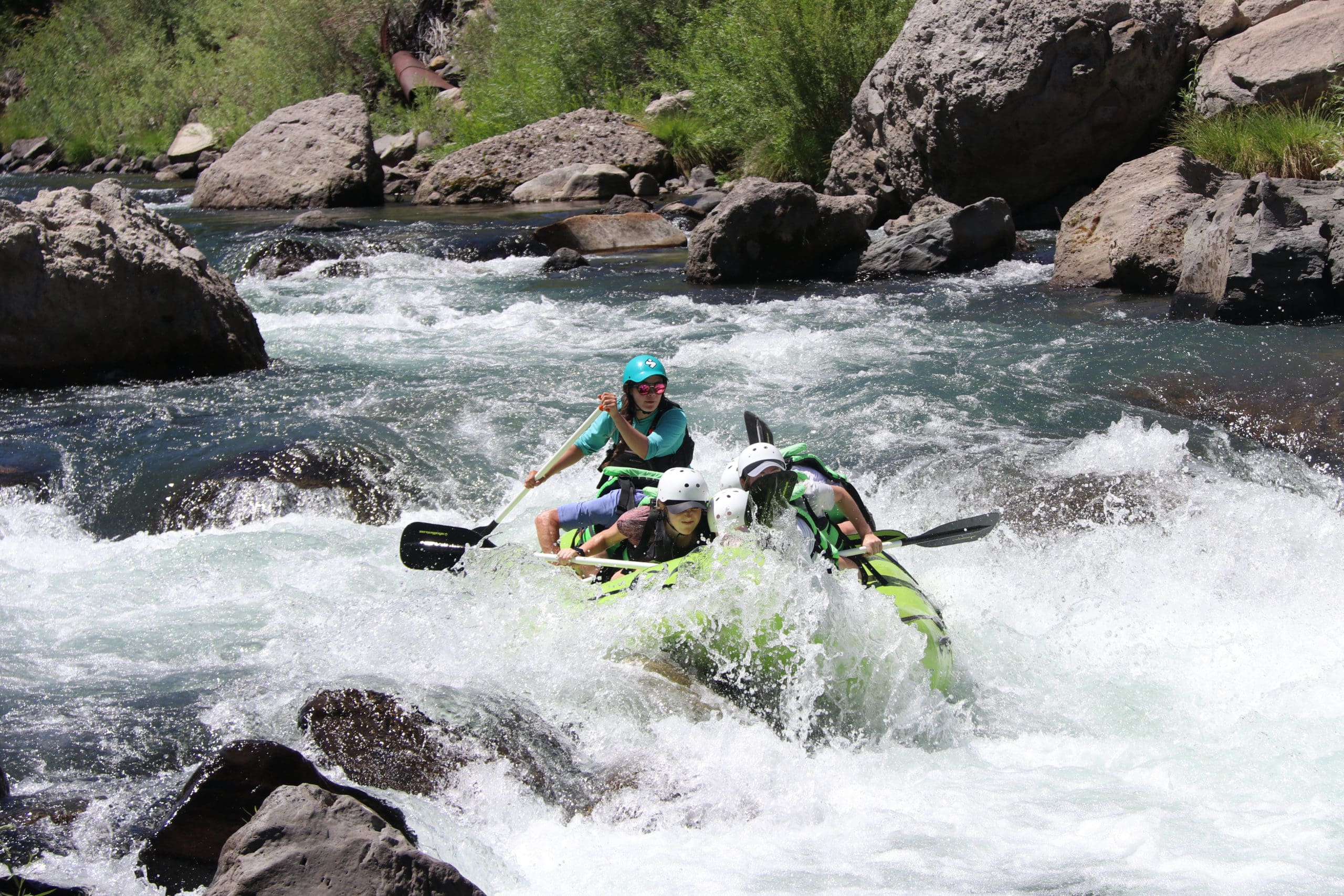
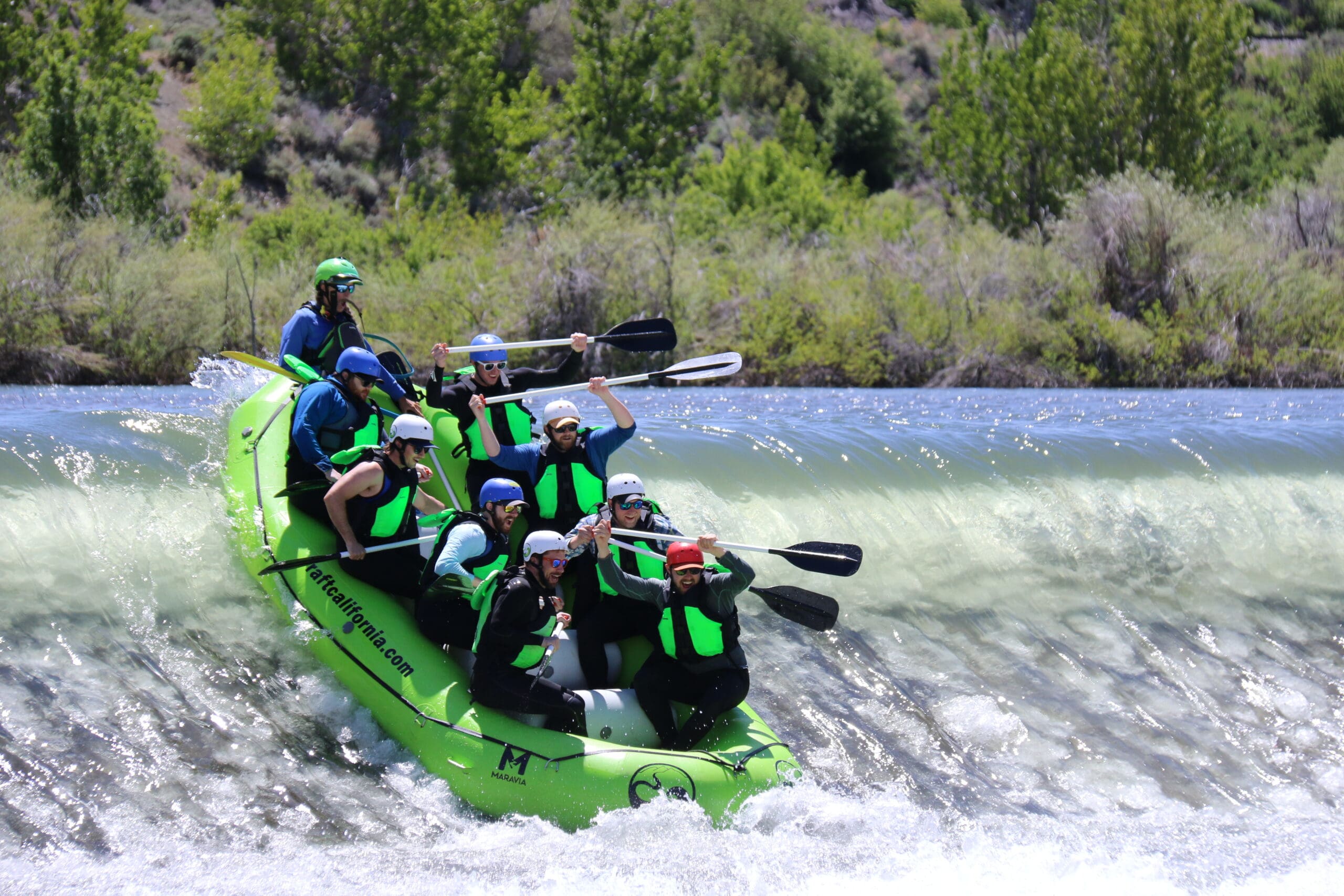
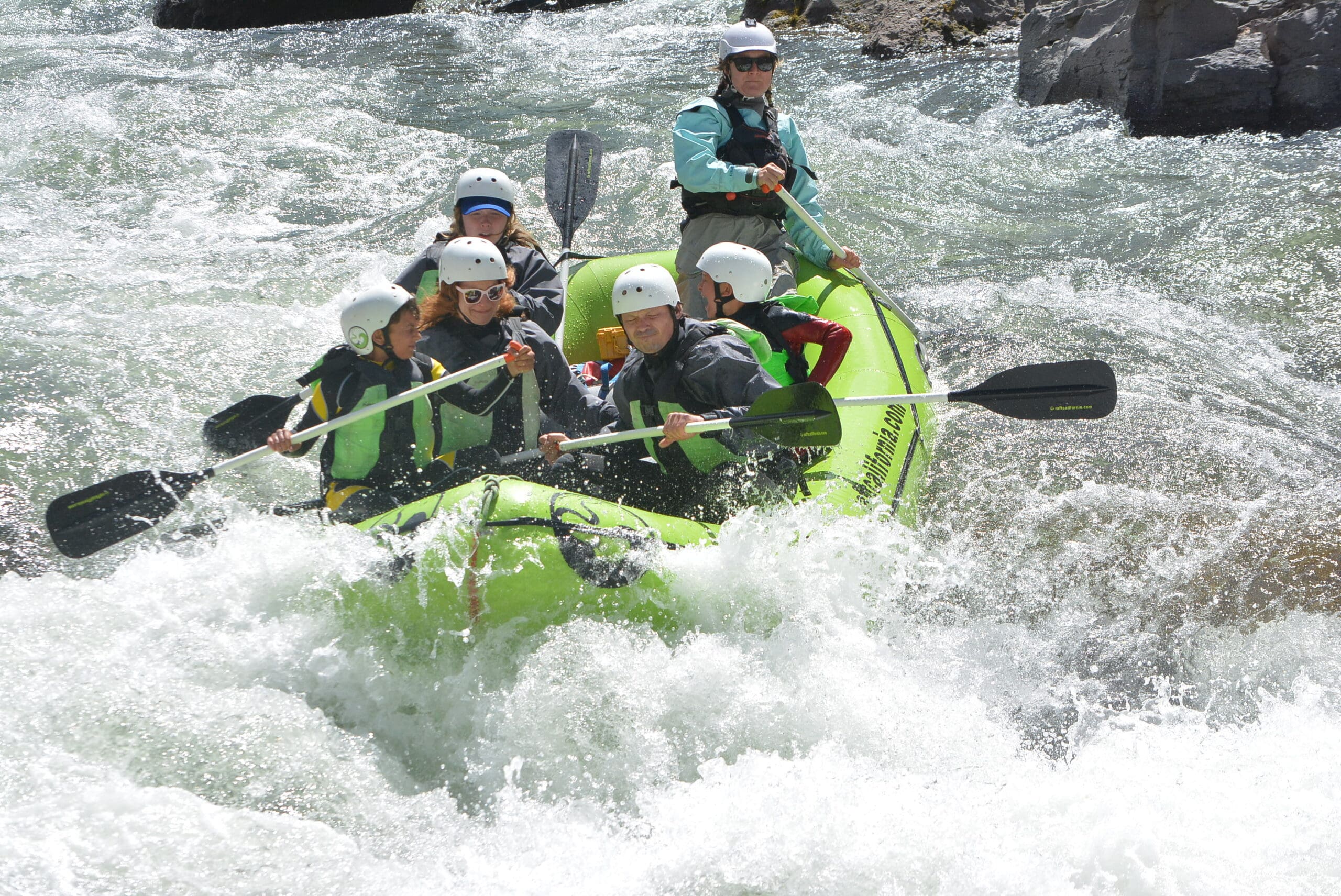
They have great guides who make non-swimmers feel very safe and comfortable. It was an exhilarating ride on the river. To get into the raft, we had to step in the water and fortunately we had our water shoes on. Four of us did the South fork American River and
BEST time ever! Military discount available! Call and ask ahead. We appreciate that they appreciate my husband’s service. My family did a 1/2 day PM trip at the Truckee River location. The main guy was Nate. He was hilarious and extremely knowledgeable. He was a nationally ranked competitive Kayaker (No.
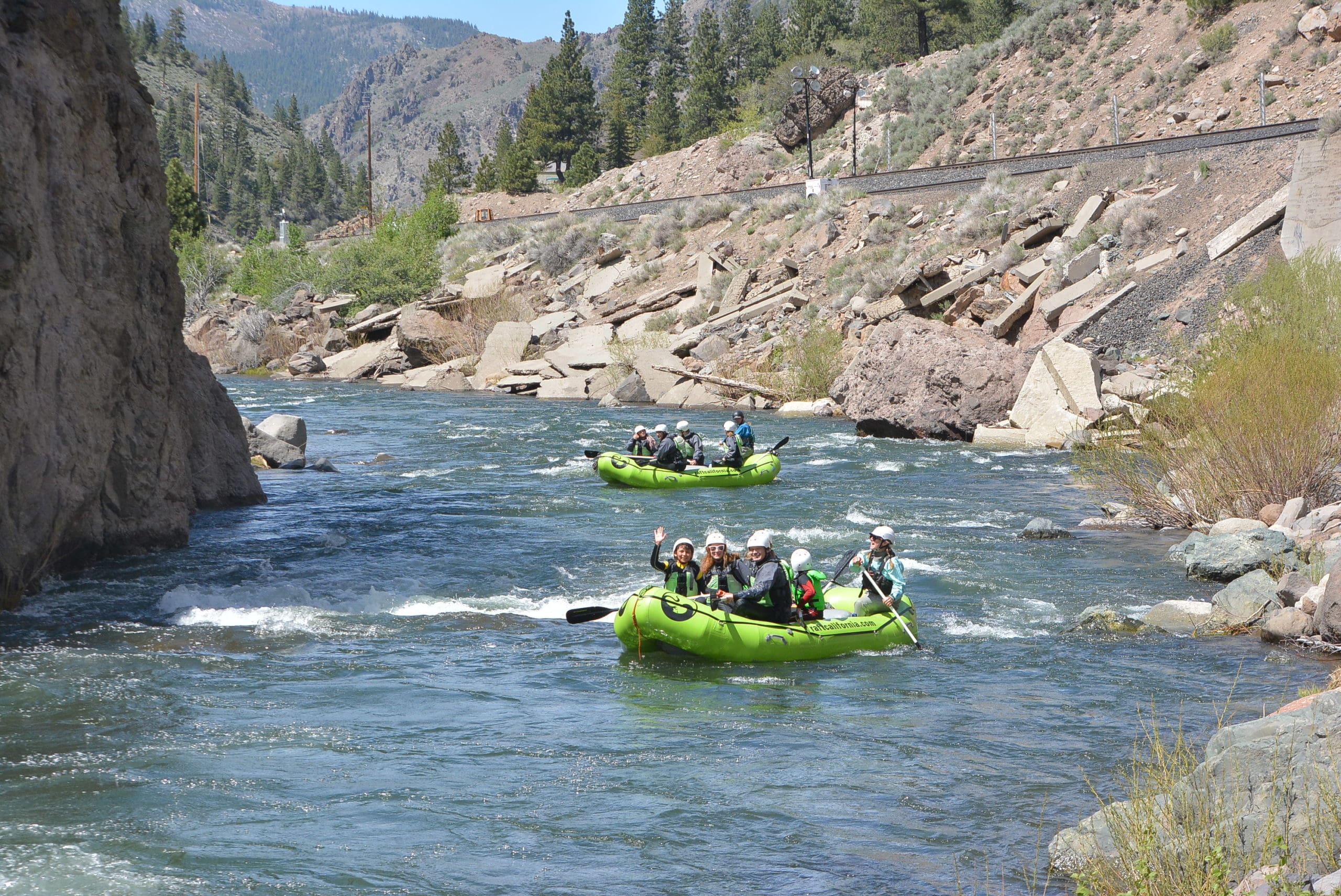
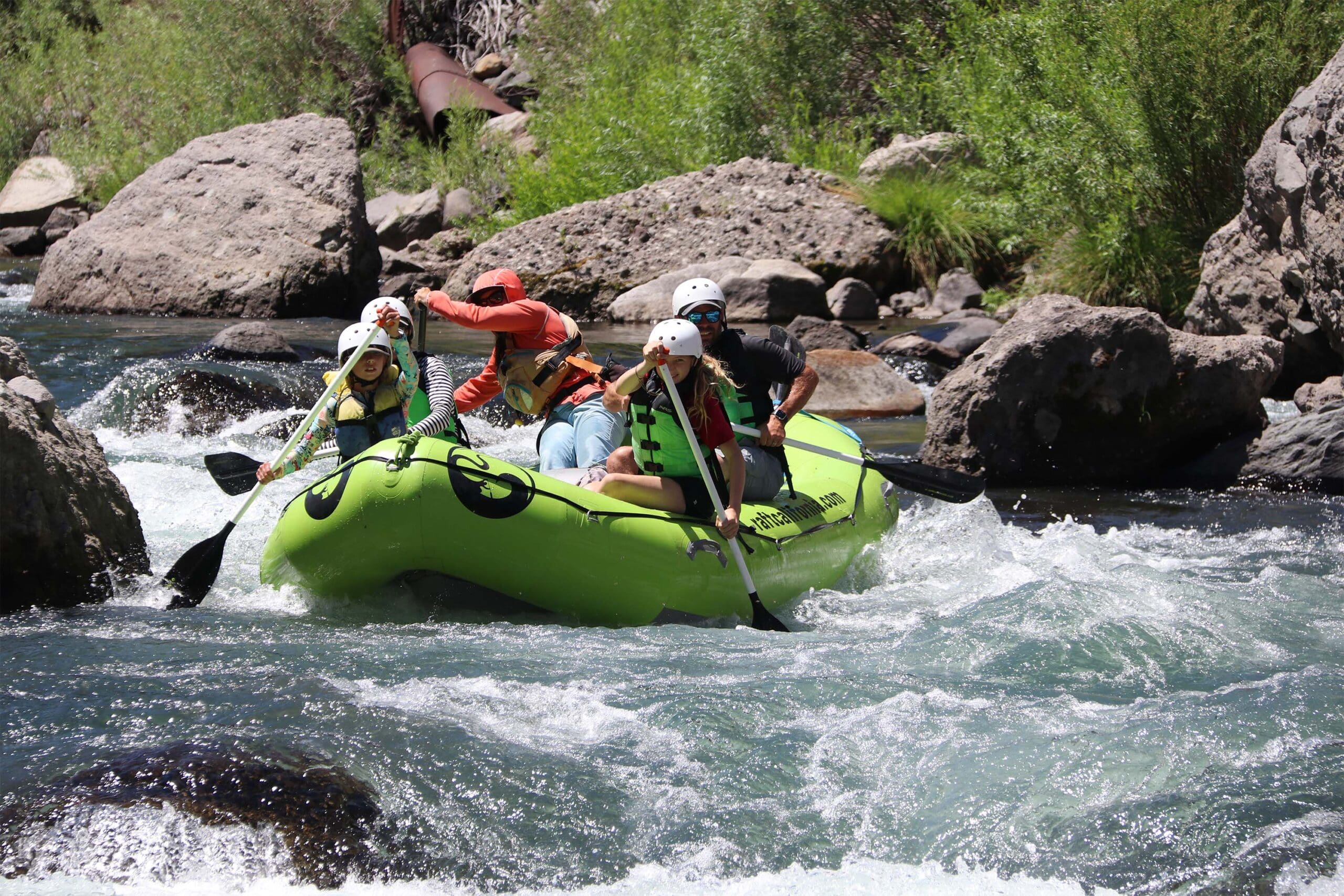
We did the 1/2 day Truckee River ride. It was really fun! Perfect amount of rapids vs calm waters. We were able to take our 7 and 12 year olds, so this is not a class 5 rapids. Perfect for a family or someone looking to do a quick tour.
My two teenage boys and I did a half day trip on the Truckee River. For my boys it was their first white water trip and they had blast, the perfect blend of chill and excitement. Plus our guide, Gregor was the commensurate professional – confident, friendly and engaging. My
Our experience could not have been any better! We went on the half day trip with a group of 12. Booking & check in were a breeze. Customer service and each person we came into contact with were top notch! We were so glad we got Amanda as our guide.
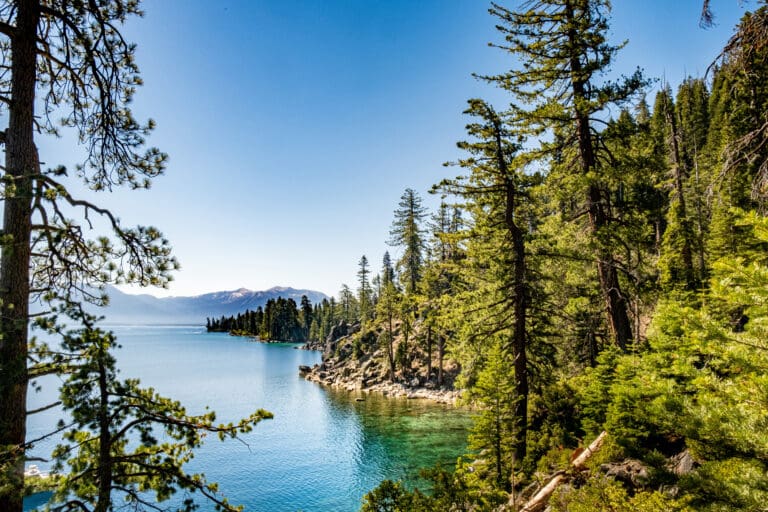
The Truckee River, flowing through the Sierra Nevada and Great Basin regions of the western United States, is a watercourse of significant ecological, recreational, and historical importance. Originating from Lake Tahoe and winding its way through Nevada before eventually reaching Pyramid Lake, the Truckee River covers a distance of approximately 121 miles. One of its notable features is the Tahoe City Dam, where Lake Tahoe’s outflow is regulated to maintain a balance in water levels.
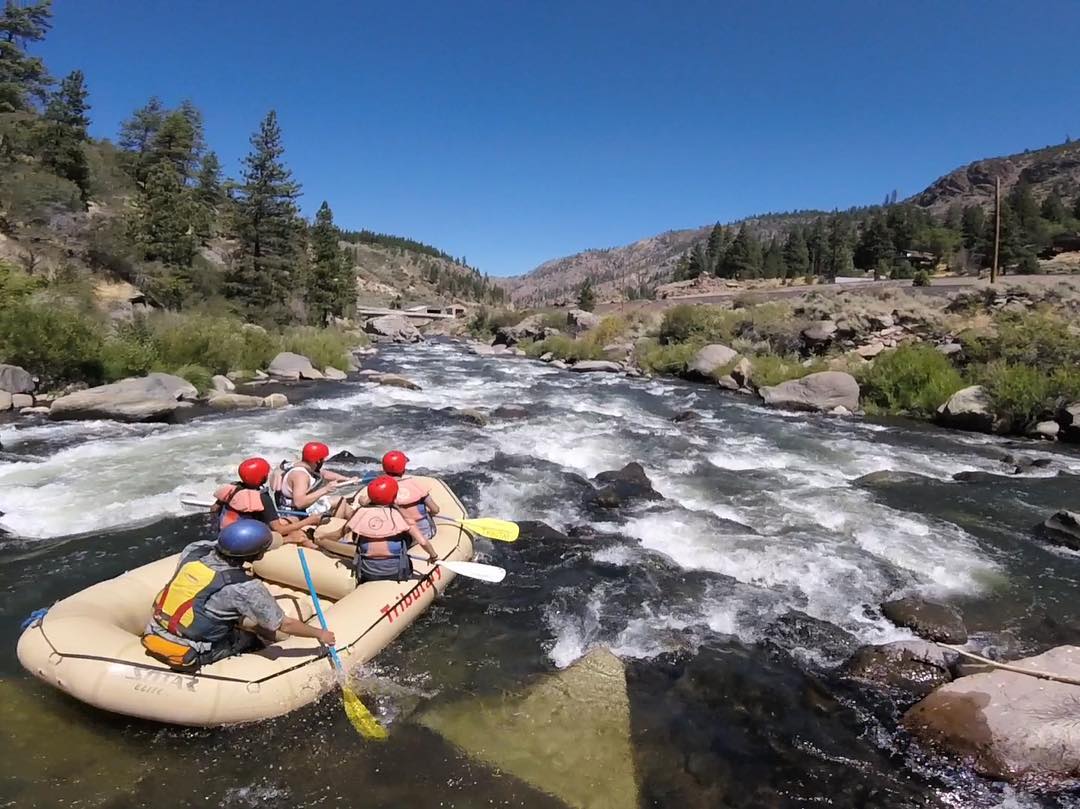
Searching for Lake Tahoe river rafting? We are the best outfitter for guided white water rafting trips. Our rafting trips are often available when the raft rentals in Tahoe City are closed. Sections of the Truckee sometimes close near Tahoe City due to high or low water only coming out of Lake Tahoe which effect raft rental companies in that specific area. Our guided Lake Tahoe river rafting trips leave from Truckee which is north of Tahoe City by 20 miles. We are able to run trips due to different water supplies to the river with our section being supplied from reservoirs and lakes such as (Boca, Donner and Stampede).
The Truckee River has a rich history shaped by Native American presence, the California Gold Rush, and the development of towns and industries along its course. Before the arrival of European settlers, the region was home to Native American tribes, including the Washoe people, who had a deep connection to the Truckee River and its resources. The river gained prominence during the mid-19th century Gold Rush, attracting fortune seekers who panned for gold along its banks.
In the mid-19th century, as part of the California Trail, explorers and settlers began to traverse the region. The town of Truckee, California, was established in the 1860s as a result of the transcontinental railroad construction. The establishment of towns in the area and the development of industries, including logging and mining, were integral to the area’s growth. The river played a crucial role in powering stamp mills used for ore processing, leaving behind a historical legacy that is evident in the remnants of old mining structures and the cultural fabric of the region.
Truckee, California, has a rich history related to the ice industry and in the late 19th and early 20th centuries, it played a significant role in the town’s economy. The Boca Mill, situated along the river owned by the Truckee Ice Company, was a major ice harvesting and processing facility in the region. Ice was cut from the frozen water bodies during the winter, stored in large icehouses, and then transported by rail, particularly via the Central Pacific Railroad, to various destinations, including the growing cities of California.
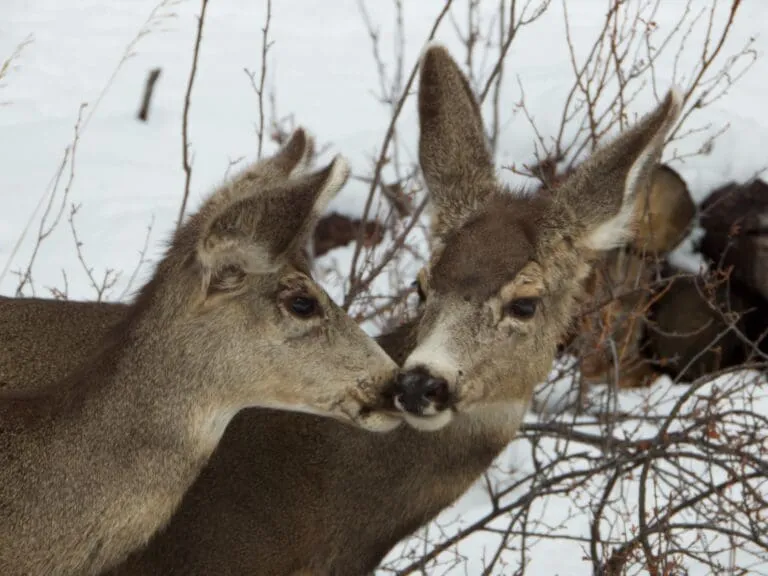
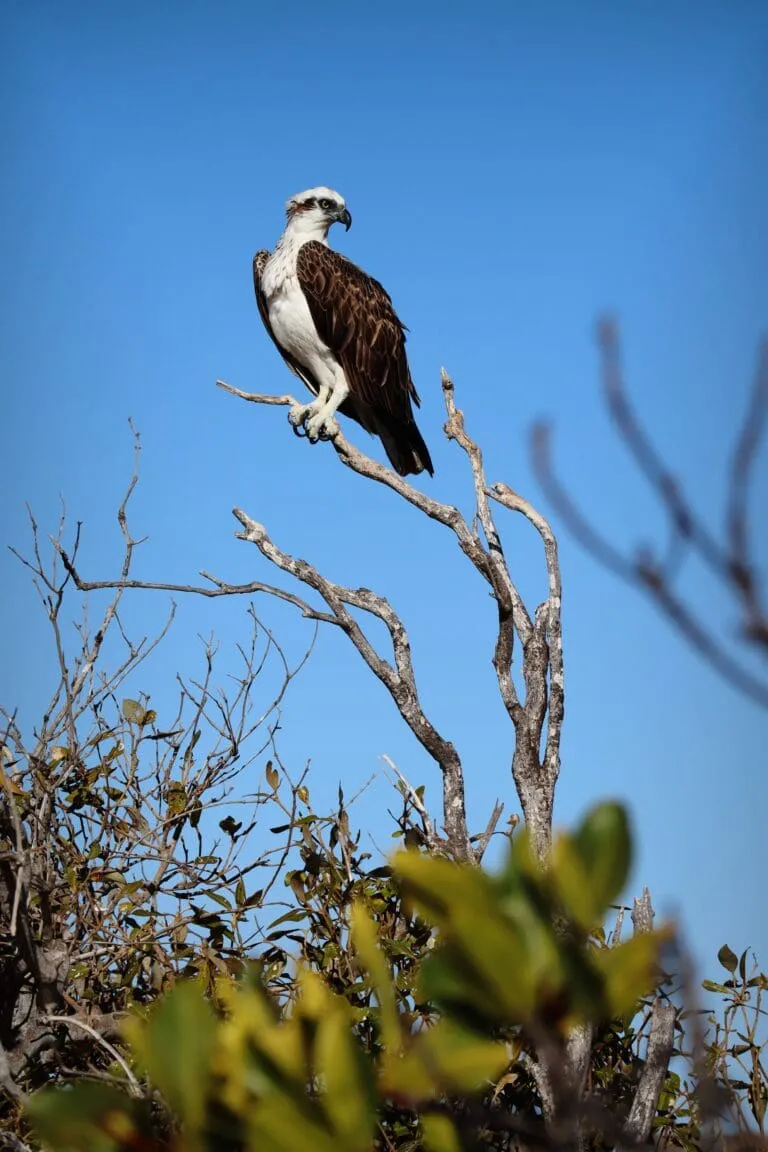
The Truckee River supports a diverse array of wildlife, contributing to the ecological richness of the surrounding landscapes. The river’s waters sustain populations of rainbow and brown trout, making it a popular destination for anglers seeking a pristine fishing experience. Riparian habitats along the riverbanks provide crucial breeding and nesting grounds for various bird species, including osprey, eagles, and waterfowl. Additionally, the Truckee River is home to an array of mammals, such as mule deer and beavers, which thrive in the diverse ecosystems supported by the river. Conservation efforts aim to preserve and protect the Truckee River’s habitats, ensuring the continued existence of its wildlife for future generations to enjoy.
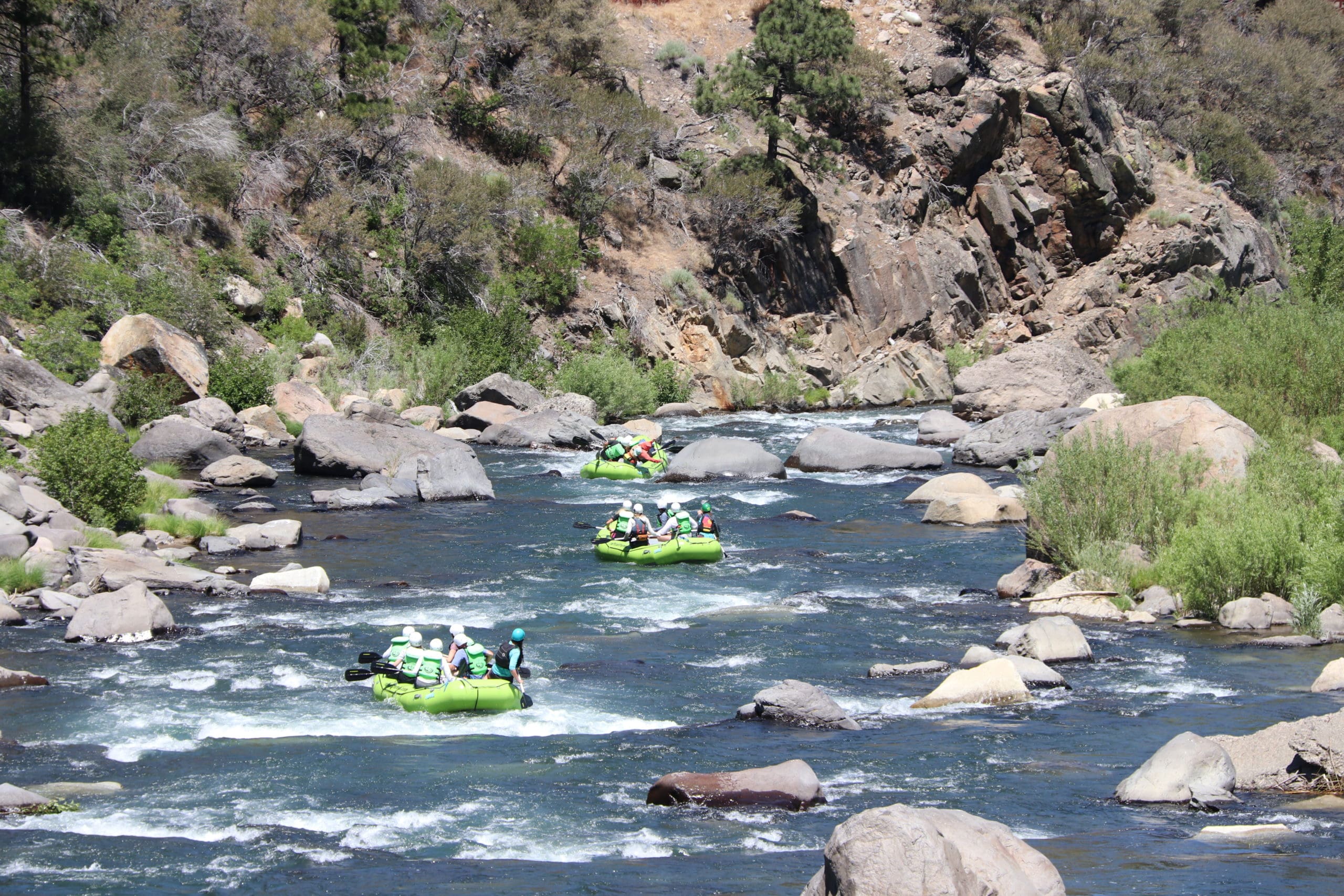
Truckee River typically features Class I to Class III rapids, offering a range of whitewater experiences suitable for both beginners and intermediate paddlers.
The Truckee river is located in Truckee, CA.
The Truckee River is located in the Sierra Nevada region of the United States, flowing through the states of California and Nevada, with its headwaters originating from Lake Tahoe and its course extending to Pyramid Lake.
There are many things to do on the Truckee River. It is known for its excellent fishing opportunities, with healthy populations of rainbow and brown trout. The scenic surroundings make it an ideal destination for hiking and biking. Additionally, birdwatchers can spot eagles, osprey, waterfowl, and other birdlife while exploring the riverbanks.
The duration to float the Truckee River depends on the specific section chosen, but a popular and scenic float from Tahoe City to River Ranch typically takes about 2 to 3 hours, providing a leisurely yet enjoyable experience along the water.
The Truckee River is designated as a Wild and Scenic River due to its outstanding natural, recreational, and cultural values, recognizing its unique characteristics, scenic beauty, and importance to the ecosystems and communities it traverses.
Prime fishing spots on the Truckee River include the stretch between Truckee and Boca Reservoir, renowned for its healthy trout populations, as well as the section below the town of Floriston, offering opportunities for anglers to catch rainbow and brown trout in its clear and cold waters.
The Truckee River played a significant role in the westward expansion during the mid-19th century.
The river has been harnessed for hydroelectric power, with several dams along its course.
The river is renowned for its exceptional wild steelhead fishing, drawing anglers from around the world.
The Truckee River played a role in the mid-19th century California Gold Rush, and towns like Truckee emerged as historic hubs for pioneers and prospectors.
The Truckee River is famous for connecting Lake Tahoe to Pyramid Lake, forming a vital part of the region’s waterway system.
The Truckee River doesn’t have extremely challenging whitewater, but the section near the Boca Reservoir and Floriston is known for Class II to Class III rapids, providing a moderate yet enjoyable level of difficulty for paddlers.
If participants cannot swim, they are still welcome to go on our Truckee River rafting trip. The trip is designed for families, groups, and first time rafters.
The Truckee River region has historical significance as the ancestral lands of various Native American tribes, most notably the Washoe people. The Washoe people have a deep and enduring connection to the land, including the Truckee River and its surrounding areas. Their cultural practices and traditions are intricately woven into the landscape, reflecting a harmonious relationship with nature. Over generations, the Washoe people have sustained their unique way of life by relying on the resources provided by the Truckee River, from its clear waters to the abundant wildlife along its banks. Today, efforts are made to recognize and preserve the cultural heritage of the Washoe people, fostering partnerships that aim to ensure the continued appreciation and protection of their ancestral lands near the Truckee River.
Acknowledging the Indigenous communities whose lands we visit is a crucial step in understanding our shared history and the ongoing challenges faced by these populations today. For more insight, visit our Territory Acknowledgement page. We encourage you to learn about the people whose land we’re privileged to explore by following the links above.
Our Territory Acknowledgement is an evolving project. If you find missing information or acknowledgments, please share it with us. Together, we can ensure accuracy, inclusivity, and respect. Thank you.