Where Is Hells Canyon? A Guide to Exploring Idaho’s Deepest Wilderness
Tucked along the Idaho-Oregon border, Hells Canyon is the kind of place that makes you stop and look twice.
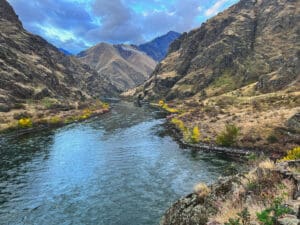
Towering cliffs rise thousands of feet above the Snake River. Rugged mountains stretch into the distance, and the river winds through a landscape that feels remarkably wild and remote.
And there’s a pretty impressive fact behind all that scenery:
Hells Canyon is the deepest river gorge in North America.
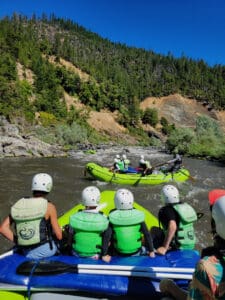
The Snake River runs through the heart of the canyon, creating endless opportunities for adventure—from whitewater rafting and kayaking to hiking, camping, wildlife watching, and simply taking in the view.
If you’re ready to see it from the best possible vantage point, explore Snake River rafting trips through Hells Canyon with Tributary Whitewater Tours.
Where Is Hells Canyon?
Hells Canyon stretches along the Idaho-Oregon border, with the Snake River running through its center.
While the canyon extends along both sides of the river, some of its deepest and most dramatic sections are on the Idaho side. At its deepest point, the canyon drops nearly 8,000 feet from the surrounding mountain peaks to the river, creating an enormous vertical landscape.
The Snake River also serves as a natural boundary between Idaho and Oregon in this region.
That means you can spend the morning traveling through Idaho, cross the river, and suddenly find yourself looking back at the Idaho wilderness from Oregon.
It’s one of the things that makes exploring Hells Canyon so unique.
Getting to Hells Canyon
Hells Canyon is remote, which is part of its appeal.
One of the primary access points on the Idaho side is Pittsburg Landing, which provides access to the Snake River and surrounding recreation area.
The broader Hells Canyon National Recreation Area offers opportunities for hiking, boating, camping, fishing, wildlife viewing, and sightseeing.
If you’re looking for a more relaxed way to explore the surrounding region, check out Snake River Canyons Park as you plan your trip.
Why Visit Hells Canyon?
There’s no shortage of beautiful places in the West, but Hells Canyon offers something that’s increasingly hard to find:
space.
The canyon’s remote location means fewer crowds, dramatic scenery, and a feeling of being genuinely removed from everyday life.
You can spend the day traveling down the Snake River, hike into a side canyon, watch wildlife along the cliffs, and finish the evening beneath an incredible night sky.
For adventure seekers, the river is the obvious place to start.
Explore Hells Canyon from the Snake River
There’s something about seeing Hells Canyon from the bottom that makes its scale sink in.
From the river, the canyon walls tower overhead while the Snake River carries you deeper into the wilderness.
Depending on the section and trip, you’ll encounter everything from calmer stretches of water to exciting whitewater.
For an unforgettable introduction to the canyon, check out rafting in Hells Canyon, Idaho.
Whitewater Rafting
For many visitors, rafting is the ultimate way to experience Hells Canyon.
A Snake River rafting trip combines spectacular scenery with the excitement of navigating the river itself.
Rather than simply driving to a viewpoint and looking into the canyon, you’re traveling directly through it.
Along the way, you may encounter:
- Dramatic canyon walls
- Remote beaches and campsites
- Wildlife
- Historic sites
- Exciting whitewater
- Quiet stretches perfect for soaking in the scenery
For those who want more time to explore, Snake River expeditions turn the trip into a multi-day adventure.
Kayaking the Snake River
Prefer to explore under your own paddle power?
Kayaking the Snake River offers a quieter way to experience the canyon.
Paddling lets you slow down and take in the details—the changing rock formations, wildlife along the shoreline, and enormous canyon walls surrounding you.
Whether you’re rafting or kayaking, the river gives you a perspective you simply can’t get from the canyon rim.
Camping in Hells Canyon
You don’t have to leave the canyon when the sun goes down.
Camping is one of the best ways to experience the area’s remoteness. Set up along the river, prepare dinner, and watch the canyon walls change color as the sun disappears.
And then there’s the night sky.
Far from major cities and surrounded by wilderness, Hells Canyon can offer spectacular stargazing conditions.
For an even more immersive experience, consider a multi-day river trip where camping becomes part of the adventure.
Instead of driving back to a hotel every night, you can sleep beside the river and wake up ready for another day of exploration.
Hells Canyon River Permits: What You Should Know
If you’re planning to explore Hells Canyon by boat, it’s important to understand the access and permit requirements for the area and the specific section of river you’re visiting.
Certain activities and river sections require permits, and requirements can vary depending on the type of trip.
Pittsburg Landing is a popular launch point for boaters and rafters entering the canyon from the Idaho side.
If you’re planning a self-guided river trip, research the current requirements before you leave and make sure you’ve secured any permits needed for your itinerary.
Joining a guided trip can make the process much easier, since your outfitter handles many of the logistics and lets you focus on enjoying the canyon.
What Can You Do in Hells Canyon?
You don’t have to be a hardcore whitewater enthusiast to enjoy Hells Canyon.
The area offers something for a wide range of travelers.
Whitewater Rafting
Get your heart racing on the Snake River and experience the canyon from the water.
Kayaking
Slow things down and explore the river at your own pace.
Hiking
Explore trails and side canyons to see the landscape from a completely different perspective.
Camping
Spend the night surrounded by wilderness instead of heading back to town.
Wildlife Watching
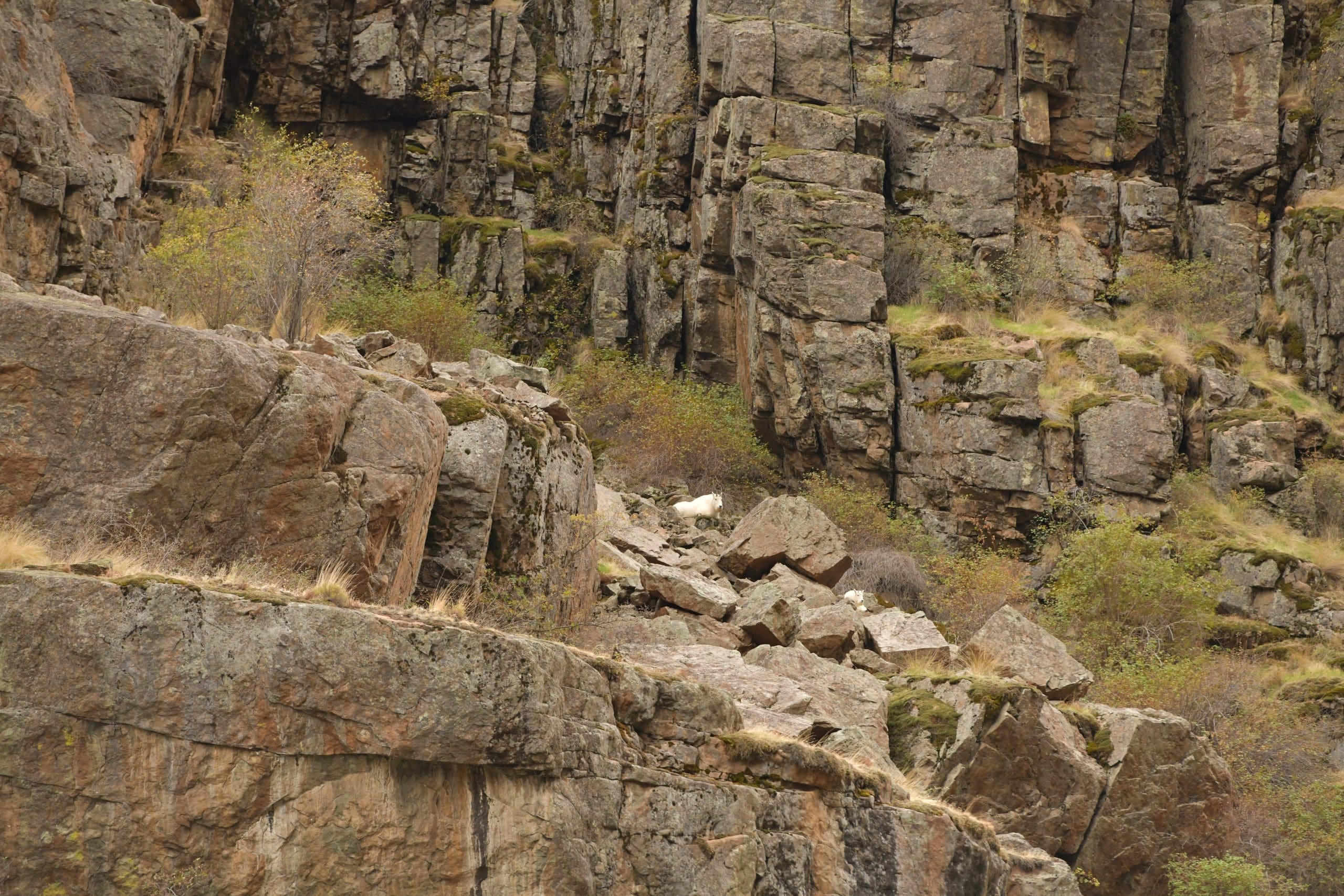
Keep an eye out for birds of prey, deer, bighorn sheep, and other wildlife throughout the canyon.
Scenic Exploration
Even if you’re not looking for a major adventure, simply experiencing the canyon’s enormous scale is reason enough to visit.
How Long Should You Spend in Hells Canyon?
If you’re just passing through, you can certainly see parts of Hells Canyon in a day.
But if you really want to experience the canyon, give yourself more time.
A multi-day trip allows you to slow down and appreciate the landscape instead of rushing from one viewpoint to the next.
You can spend your days rafting or hiking, stop to explore along the river, camp beneath the canyon walls, and wake up surrounded by wilderness.
That’s when Hells Canyon really starts to feel less like a sightseeing destination and more like an adventure.
Experience Hells Canyon with Tributary Whitewater Tours
Hells Canyon is impressive from above.
But it’s something entirely different from the river.
When you’re floating through the canyon with towering cliffs on either side, it’s easier to understand just how massive this landscape really is.
Tributary Whitewater Tours offers guided Snake River rafting trips through Hells Canyon for travelers who want to experience the canyon rather than simply look at it.
For a longer adventure, explore our Snake River expeditions or browse our Snake River vacations to start building your trip.
Ready to Explore Hells Canyon?
Hells Canyon isn’t just a place to put on a map.
It’s a place to get out and experience.
Paddle through it. Hike its trails. Camp beside the Snake River. Watch the canyon walls glow at sunset. Or spend several days exploring its remote corners on a river expedition.
However you choose to experience it, one thing is certain:
Hells Canyon is worth the trip.
Book your Snake River rafting adventure with Tributary Whitewater Tours and experience one of the most spectacular wilderness destinations in the West from the water.