Jessica is great and so helpful with booking my trip! Gina and Brian welcomed us and made sure we had everything we needed to camp. Our tour guide Noah is the best! Anyone planning a trip must request Noah for a great and memorable experience!
We took all of our employees to do the Middle Fork American River Rafting Trip and this was absolutely 100% amazing. Tributary Whitewater Tours is the best rafting company out their. Our guide Josh D was a blast. He was so awesome!!! When you have such an well experience and
Tributary was legendary. Great Route and great camping accommodations. Can’t recommend the yurt setups enough, great value. Tour guides were excellent. We had Gabi who was a real champion; Nacho and Gregor were great as well Definitely recommend for bachelor party but awesome for families too. Thanks!
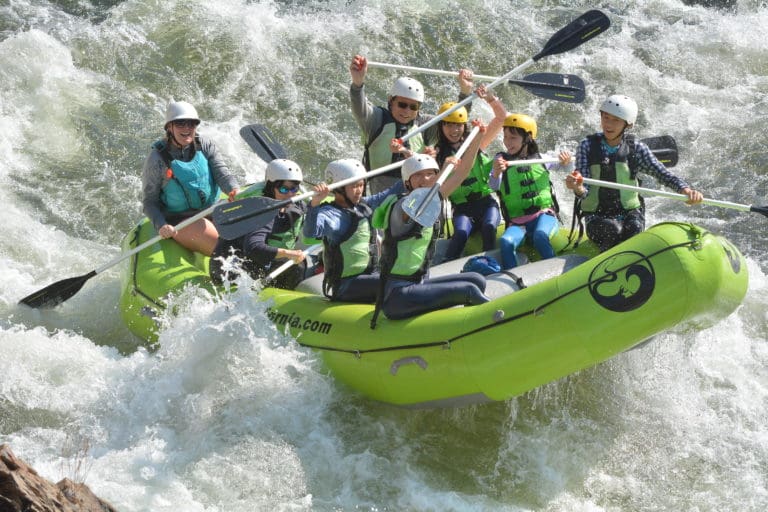
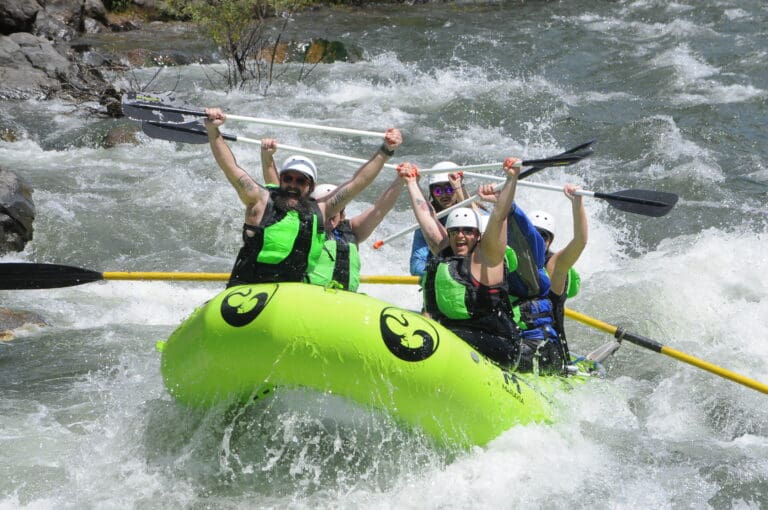
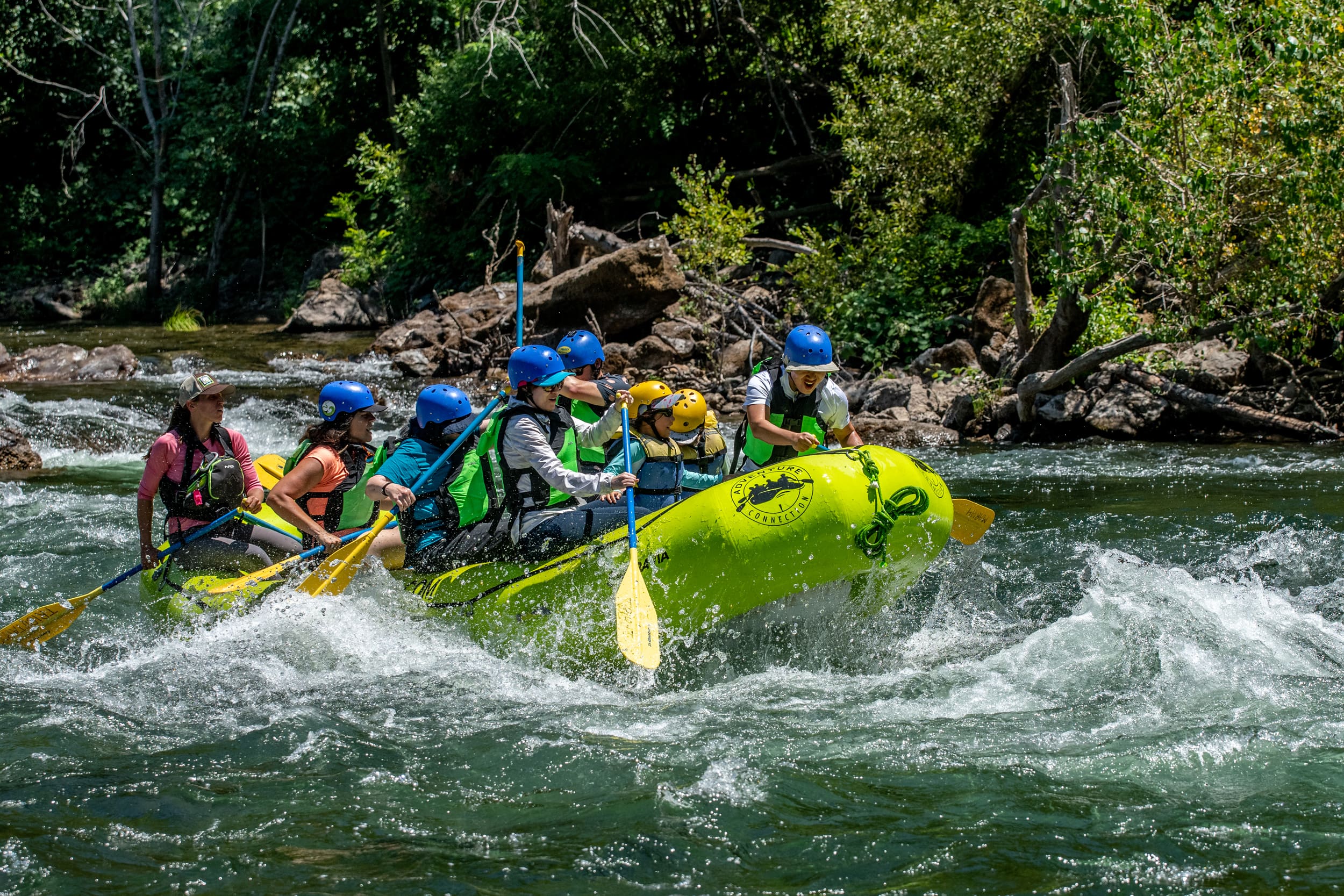
My friends and I did the Middle for the the American River. What a blast! The guides were safe, knowledgeable, passionate and very experienced. They ensured a wet and wild adventure down the river. We flipped on the Chute and wouldn’t have had it any other way! If you’re looking
This was such a fun experience! I recommend it to everyone. I will be bringing my 10 year old granddaughter, to experience this wonderful adventure! Eight friends shared the raft with our absolutely wonderful guide. HE WAS SO CONSCIENTIOUS OF OUR SAFETY AND ALL OF THE OTHER RAFT GUESTS! He
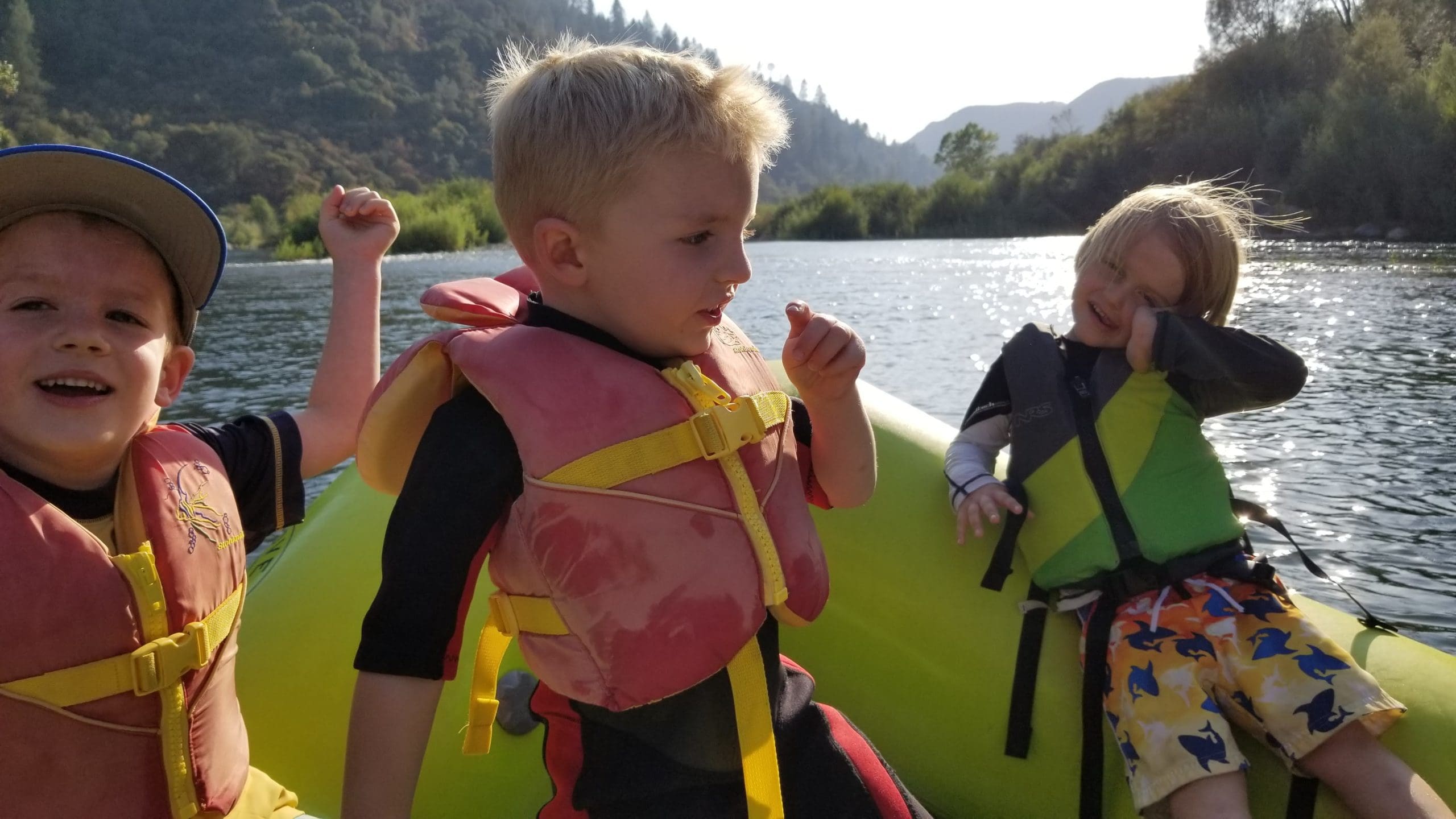
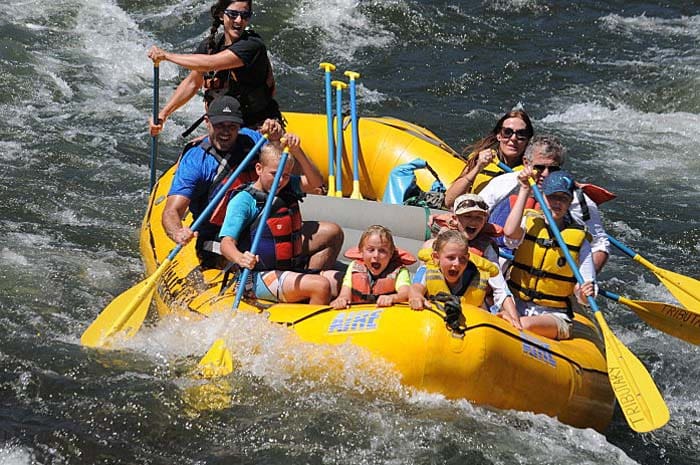
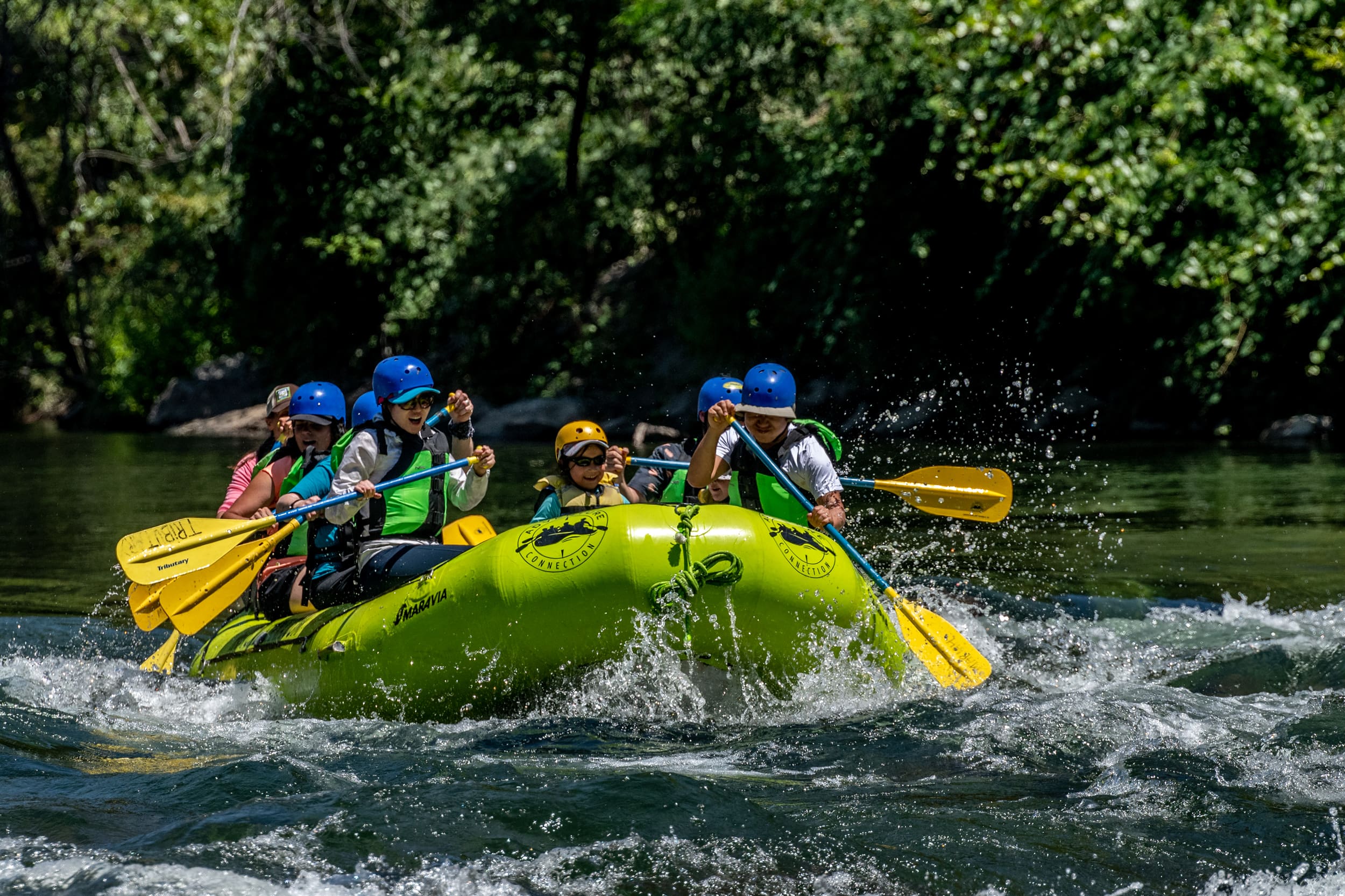
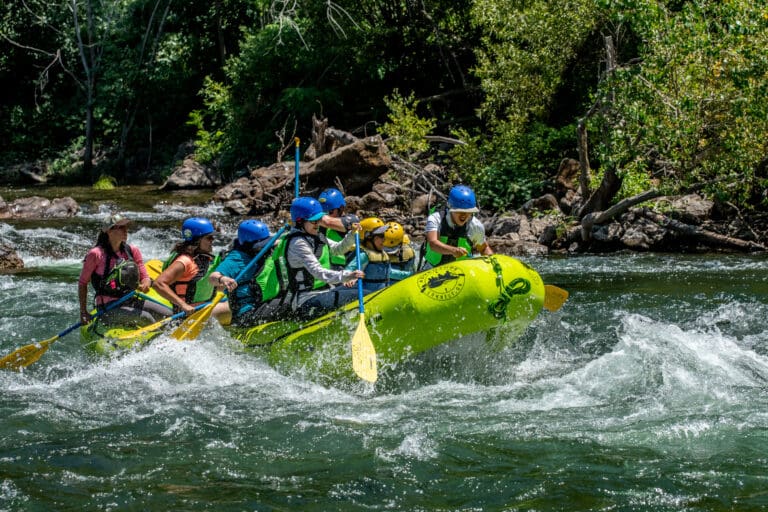
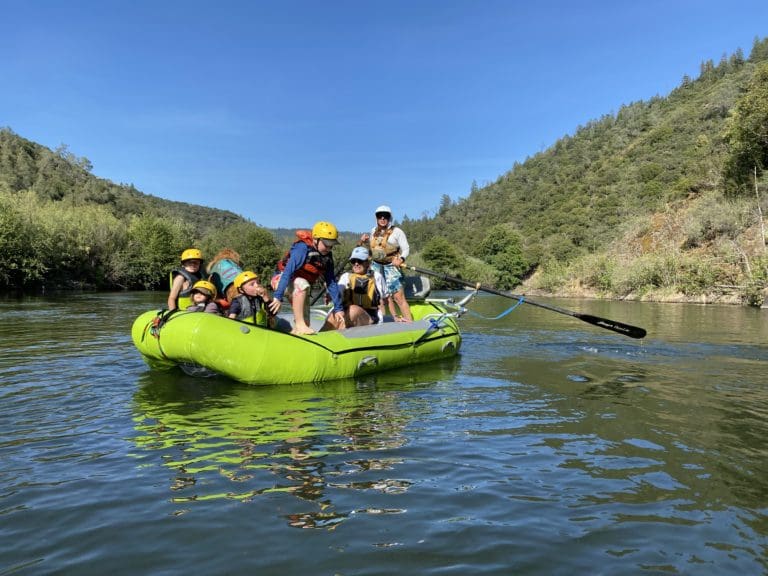
The Lower Middle Fork American River rafting trips offer a beautiful, wilderness setting located in the Gold Country near Sacramento. This trip is perfect for young kids ages 4 and up as well as more timid children for safe rafting trips available all summer long.
Several factors set the American River apart from other rivers, particularly in relation to the California Gold Rush. The American River witnessed a significant influx of gold prospectors in the mid-19th century, leaving behind a legacy that can be explored through well-preserved historical sites and artifacts. The river’s role in this transformative period of American history adds a layer of historical depth and cultural significance that distinguishes it from other rivers.
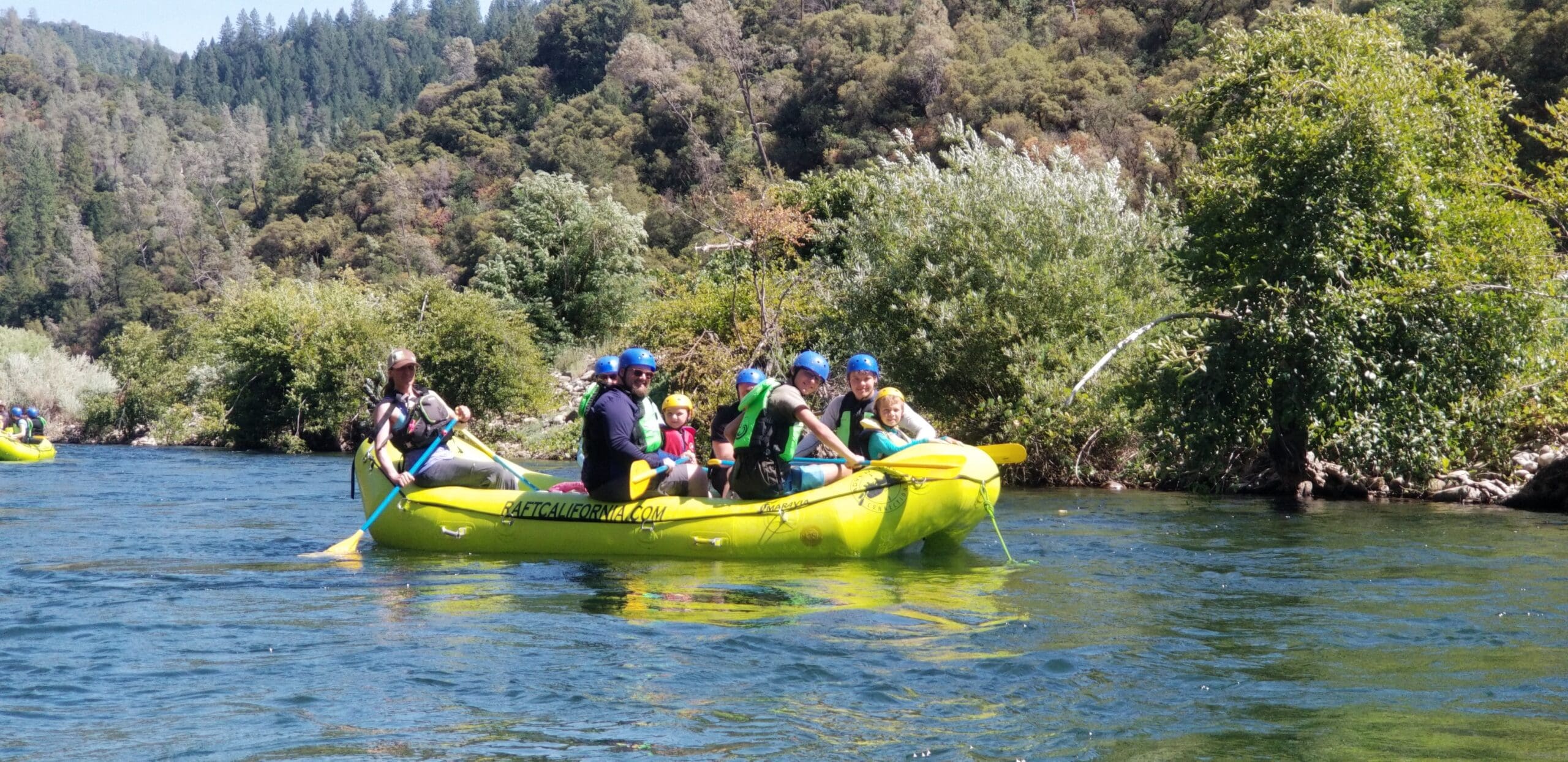
Another distinguishing feature is the river’s scenic beauty and diverse ecosystems. Several tributaries of the American River, including the Lower Middle Fork section, flow through the stunning Sierra Nevada foothills, surrounded by lush forests and rugged terrain where they eventually converge and spill into Folsom Lake. This picturesque landscape not only provides a breathtaking backdrop for outdoor activities but also supports a rich variety of wildlife. The river is a critical habitat for Chinook salmon and steelhead trout, and its riparian zones are home to numerous bird species. The combination of historical heritage, scenic beauty, and ecological diversity makes the Lower Middle Fork and the American River a unique and multifaceted destination.
Searching for a trip that is a bit more adventurous? Try our South Fork American River rafting trips for several Class III white water experiences or kick it up a notch with our Class IV North Fork American River rafting trips in the spring and our Middle Fork American River rafting trips mid-summer. Or view all white water rafting Sacramento options here.
The Lower Middle Fork American raft trip is mellower, less traveled, and more relaxed river trip than the nearby South Fork American River. We originally started rafting this river section to introduce our own children to rafting, and now we hope to share it with you too! Our guides are knowledgeable of the flora, fauna and wildlife on this river and are happy to share with you as we float down the river.
Bring along multiple generations to experience rafting with the grand parents or less able bodied. Inflatable kayaks can be rented for some additional challenges for teens and adults.
The Lower Middle Fork as part of the American River boasts a rich history intertwined with the broader narrative of the California Gold Rush. In the mid-19th century, this waterway played a pivotal role as gold prospectors flocked to its shores, panning for riches and establishing settlements along its banks. The river became a lifeline for these pioneers, facilitating transportation and commerce. The remnants of this bygone era can still be witnessed today through well-preserved historical sites and artifacts, offering a glimpse into the challenges and triumphs of those who sought their fortune in the rugged landscapes surrounding the American River
In terms of wildlife, the Lower Middle Fork and entire American River is a haven for a diverse array of species, contributing to the region’s ecological significance. The river supports populations of Chinook salmon and steelhead trout, which undertake remarkable migrations up the river for spawning. This annual journey is not only a spectacle for observers but also a critical component of the river’s ecosystem. Riparian habitats along the banks provide a home for various bird species, while the surrounding forests offer shelter to mammals such as deer and black bears. Conservation efforts in recent years have focused on preserving and restoring these habitats to ensure the continued health and diversity of the wildlife that calls the American River home.
The Lower Middle Fork section we raft consists of Class II rapids perfect for young families and older generations.
It is 140 miles east of San Francisco and just 50 miles east of Sacramento.
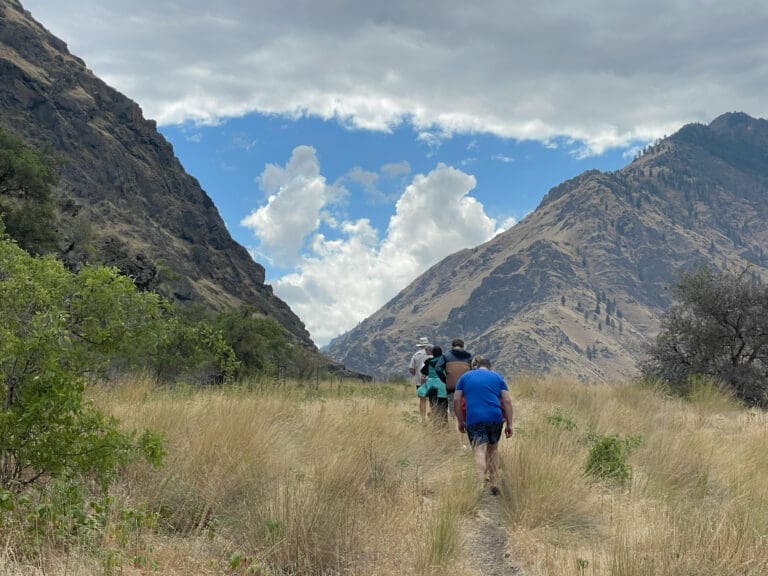
In addition to enjoying the river, there are plenty of activities for people to engage in. Visitors can swim, fish, or hike.
The river is a total of 7 miles long, and the total trip time ranges from 12:00 PM–5:00 PM.
The Lower Middle Fork of the American River has earned the designation of being “Wild and Scenic” due to its history with the California Gold Rush.
Additionally, the river flows through a relatively undeveloped and pristine landscape in the Sierra Nevada foothills. Designated as such by the U.S. Congress under the Wild and Scenic Rivers Act, this classification signifies the river’s exceptional qualities and the need for its preservation.
This river is designed for beginners, so no swimming experience is required.
The Lower Middle Fork of the American River is home to various indigenous people, including the Nisenan (also known as Southern Maidu) and Miwok tribes.
Acknowledging the Indigenous communities whose lands we visit is a crucial step in understanding our shared history and the ongoing challenges faced by these populations today. For more insight, visit our Territory Acknowledgement page. We encourage you to learn about the people whose land we’re privileged to explore by following the links above. Our Territory Acknowledgement is an evolving project. If you find missing information or acknowledgments, please share it with us. Together, we can ensure accuracy, inclusivity, and respect. Thank you.